Mesothelioma Staging Explained: TNM System, Stages I Through IV, and What Each Means for Treatment

Chest scan review

Your oncologist mentioned the stage of your mesothelioma. Stage I, stage II, stage III, or stage IV. They explained that staging affects treatment options and prognosis. The full staging system uses three letters: T, N, and M. You nodded. You went home. You still are not sure what your stage means.

This guide explains the mesothelioma staging system in plain language. You will learn what T, N, and M each measure, how the four stages combine these factors, what each stage means for treatment, and what survival statistics typically look like at each stage. The goal is to help you understand where your case fits.

Chest scan review
Imaging is central to determining T, N, and M categories.

What TNM Means

The TNM system is the standard cancer staging framework used internationally. T stands for tumour and describes how much tumour is present and where it has spread within the chest. N stands for nodes and describes whether and how far the tumour has spread to lymph nodes. M stands for metastasis and describes whether the cancer has spread to distant organs outside the chest.

Each letter is followed by a number indicating extent. T1 to T4 for tumour size and invasion. N0 to N2 for lymph node involvement. M0 or M1 for distant metastases. The combination of T, N, and M values determines the overall stage from I to IV.

T Categories: What the Tumour Has Done

T1 means tumour is limited to the parietal pleura, the chest wall lining, on one side. The lung surface itself is not heavily involved. T2 means tumour has involved the visceral pleura on the lung surface and the diaphragm or lung tissue itself. T3 means tumour has invaded structures in the chest like the chest wall fascia, mediastinal fat, or a single area of chest wall muscle. T4 means tumour has invaded structures that make complete surgical removal impossible: extensive chest wall, the diaphragm with abdominal involvement, the heart, the spine, or the contralateral pleura.

The T category is determined by imaging studies including CT, MRI, and PET scans, sometimes confirmed at surgery. The category drives the surgical decision because T4 disease generally cannot be completely resected.

Hospital corridor
Multidisciplinary review combines imaging, biopsy, and clinical findings.

N Categories: What the Lymph Nodes Show

N0 means no lymph node involvement. N1 means involvement of nodes within the lung itself or directly adjacent to it on the same side. N2 means involvement of nodes in the mediastinum, the central chest space, on either side. The N category often requires confirmation by lymph node biopsy or surgical sampling because imaging alone cannot reliably distinguish enlarged nodes from normal nodes.

For pleural mesothelioma, lymph node involvement worsens prognosis significantly. Patients being considered for surgery often undergo a procedure called mediastinoscopy or endoscopic ultrasound-guided needle biopsy to sample mediastinal lymph nodes before deciding on surgery. Finding cancer in N2 nodes typically moves the patient out of the surgical category.

M Categories: Has It Spread Distantly

M0 means no distant metastasis. M1 means cancer has spread to distant sites such as the contralateral chest, the bone, the liver, or other distant organs. Distant metastasis is uncommon in mesothelioma compared to other cancers, but when it occurs it changes the treatment approach because curative-intent therapy is no longer feasible.

PET-CT scans are the standard tool for assessing M status. The PET scan shows metabolic activity that distinguishes cancer from non-cancer in distant sites. Positive findings on PET often warrant biopsy confirmation before changing treatment plans, because PET scans have limitations.

Combined Stages I Through IV

Stage IA combines T1 with N0 and M0. Tumour is limited to one side of the parietal pleura with no nodal or distant spread. Stage IB combines T2 or T3 with N0 and M0. Stage II combines T1 or T2 with N1 and M0. Stage IIIA combines T3 with N1 and M0. Stage IIIB includes any T or N when N2 is involved or when T4 is reached, with M0. Stage IV is any T, any N, with M1.

The boundaries are approximate and have been refined over the years. The most current staging system, the AJCC 8th edition, sets out specific criteria. Your medical record should specify the exact T, N, and M values rather than just the overall stage, because the treatment implications depend on the specific combination.

How Stage Affects Treatment

Stage I and II patients are often surgical candidates if other criteria are met. Stage IIIA patients are sometimes surgical candidates with neoadjuvant chemotherapy. Stage IIIB and IV patients are typically not surgical candidates and are managed with systemic therapy, most often the chemotherapy and immunotherapy combinations discussed in other articles. The stage at diagnosis substantially shapes the mesothelioma treatment trajectory.

The cell type also matters. Even at favourable stages, sarcomatoid mesothelioma is treated more conservatively because surgery has not produced strong outcomes. Even at less favourable stages, epithelioid mesothelioma may benefit from aggressive multimodal therapy.

Survival Statistics by Stage

Median survival figures by stage for pleural mesothelioma have shifted upward as treatments have improved. Approximate ranges from current data: stage I, two to three years median survival with multimodal therapy. Stage II, eighteen to twenty-four months. Stage III, twelve to eighteen months. Stage IV, six to twelve months. Long-term survivors exist at every stage, particularly when patients respond well to immunotherapy combinations.

These statistics describe averages, not individual patients. Some patients far exceed median survival. Some fall short. Treatment response, performance status, age, comorbidities, and other factors all influence individual outcomes. Your specific prognosis depends on much more than your stage.

Restaging During Treatment

Stage at diagnosis is sometimes revised during treatment. Imaging during chemotherapy, surgical findings, or new symptoms can lead to revised T, N, or M assessments. The revisions matter because they reframe the treatment plan. Patients who downstage with chemotherapy may become surgical candidates. Patients who upstage may shift toward more palliative goals.

Ask explicitly about restaging at major decision points in your treatment. The team typically performs restaging imaging before deciding on surgery or after each major phase of therapy. The data informs the next decision.

A Final Note

Understanding your stage helps you understand the broader treatment landscape. It also helps you make sense of statistics and survivor stories you may encounter. A stage IV patient cannot be cured by surgery. A stage I patient often can be approached aggressively. The stage frames the conversation.

Ask your oncologist for the explicit T, N, and M values from your most recent imaging. Ask how they translate to overall stage. Ask how the stage shapes the treatment plan. The answers should be specific, not vague. A treating team that can articulate the staging clearly is a team that is paying attention to the details that matter.

This article is for educational purposes and does not replace personalised guidance from a treating oncologist.


Mesothelioma Biopsy Procedures: VATS, Thoracoscopy, and Image-Guided Needle Biopsy Compared

Pathology laboratory

Imaging suggested mesothelioma. The next step is a biopsy. Your team mentioned several options: a needle through the chest wall, a small surgical procedure called VATS, or a more invasive operation. The vocabulary is unfamiliar. The decision feels weighty.

This guide explains mesothelioma biopsy procedures in plain language. You will learn the three main biopsy approaches, when each is used, what to expect during and after each, and why getting tissue from the right location matters for diagnostic accuracy.

Pathology laboratory
Mesothelioma diagnosis requires adequate tissue for pathology and biomarker testing.

Why Biopsy Is Necessary

Imaging studies and pleural fluid analysis can suggest mesothelioma but cannot definitively diagnose it. The diagnosis requires tissue examined under a microscope by a pathologist who confirms the cell pattern, performs immunohistochemistry to rule out other cancers, and identifies the specific mesothelioma subtype. Without tissue, treatment cannot proceed.

The amount of tissue matters. Small biopsies sometimes show suspicious findings that cannot be definitively classified. Larger biopsies allow more comprehensive testing including molecular studies that may identify treatment-relevant mutations. Whenever possible, the goal is a tissue sample large enough for full diagnostic and biomarker analysis.

Image-Guided Needle Biopsy

The least invasive option is a needle biopsy performed through the chest wall under CT or ultrasound guidance. An interventional radiologist places a thin needle into the area of pleural thickening and removes small core samples of tissue. The procedure is outpatient, takes thirty to sixty minutes, and uses local anaesthesia.

Needle biopsy is often appropriate when imaging shows clear pleural thickening that can be safely accessed. The advantages are the minimal invasiveness, quick recovery, and outpatient delivery. The limitations are the smaller tissue sample, occasional sampling errors that miss the cancer, and difficulty accessing some areas of the pleura. Successful diagnostic yield is roughly seventy to eighty percent for experienced operators.

Video-Assisted Thoracoscopic Surgery (VATS)

VATS is a minimally invasive surgical procedure performed under general anaesthesia. The surgeon makes two or three small incisions in the chest, inserts a camera and instruments, and directly visualises the pleural surfaces. Biopsies are taken under direct vision from the most suspicious areas. Pleurodesis can be performed at the same operation if appropriate.

VATS is the diagnostic procedure of choice at most mesothelioma treatment centers when needle biopsy is not feasible or when a larger tissue sample is needed. The diagnostic yield exceeds ninety-five percent. The procedure is also therapeutic when combined with talc pleurodesis or fluid drainage. Hospital stay is typically one to two days.

Medical imaging review
Imaging guides biopsy targeting; VATS allows direct surgical visualisation.

Open Surgical Biopsy

Open surgical biopsy through a thoracotomy incision is uncommon today but remains an option in specific circumstances. It may be used when VATS is not feasible due to dense pleural adhesions, when more extensive tissue is needed for research protocols, or when the diagnostic plan also includes major resection at the same operation. The procedure involves a larger incision, longer recovery, and more pain than VATS.

For most patients, the diagnostic question can be answered without resort to open biopsy. Modern minimally invasive techniques have largely replaced open biopsy for diagnostic purposes alone.

What Happens to the Tissue

The pathologist receives the tissue, processes it in formalin, embeds it in paraffin, and prepares thin slices on glass slides. Stains highlight cellular features. Immunohistochemistry uses antibodies to detect specific proteins that distinguish mesothelioma from other cancers. The standard mesothelioma panel typically includes calretinin, WT-1, CK5/6, and others as positive markers, plus several markers used to rule out lung adenocarcinoma and other cancers.

The pathologist also classifies the cell type. Epithelioid mesothelioma has a more uniform appearance and better prognosis. Sarcomatoid mesothelioma has a spindle-cell appearance and worse prognosis. Biphasic mesothelioma combines both patterns. The classification matters for treatment selection and for survival prediction.

Second-Look Pathology

Mesothelioma diagnosis is challenging even for experienced pathologists. A second-look review by a pathologist with mesothelioma expertise can refine the diagnosis or occasionally reverse it. Specialty centres routinely perform second-look pathology when patients arrive from outside institutions. The investment is worthwhile because misdiagnosis happens and the treatment implications are major.

If your local pathology report is uncertain or if you are seeking specialty-centre care, request that the slides be sent for review. The slides remain the institution’s property after preparation, and copies or the originals can be transferred for outside consultation.

Recovery After Biopsy

Needle biopsy recovery is brief. Most patients go home the same day, with mild incisional discomfort that resolves over a few days. Pneumothorax, a small lung collapse, is a possible complication and may require a brief observation period. Bleeding and infection are rare.

VATS recovery is more substantial. Hospital stay is typically one to two days. Chest tube placement during the procedure manages air and fluid drainage. Tube removal usually occurs on day one or two when the lung is fully expanded and drainage has stopped. Pain is managed with oral medications. Most patients return to normal activity within two to three weeks.

Practical Closing Notes

The biopsy method should be chosen by a multidisciplinary team that considers your imaging, your overall fitness, and the diagnostic question being asked. Most patients today receive VATS-based biopsies because the diagnostic yield is so high and the procedure is well-tolerated.

Whatever method is used, plan for the diagnostic phase to take a few weeks from imaging to definitive pathology report. The waiting is hard. Use the time to schedule consultations at specialty centres so that treatment planning can begin as soon as the diagnosis is confirmed.

This article is for educational purposes and does not replace personalised guidance from a thoracic surgeon or pathologist.

Mesothelioma Imaging Tests Explained: CT, MRI, and PET Scans for Diagnosis, Staging, and Monitoring

Chest X-ray imaging

Mesothelioma diagnosis and monitoring rely heavily on imaging. CT scans, MRI, and PET scans each have specific roles. Knowing what each test does, when it is ordered, and what the radiologist is looking for helps you understand your care.

This guide explains mesothelioma imaging tests in plain language. You will learn how CT, MRI, and PET differ, when each is used, what preparation is required, and how they fit into the larger picture of staging and monitoring.

Chest X-ray imaging
Imaging studies guide diagnosis, staging, surgical planning, and treatment monitoring.

CT Scan: The Foundation

The CT scan, also called a computed tomography scan, is the first and most frequent imaging study in mesothelioma. CT uses X-rays from multiple angles, processed by a computer into cross-sectional images of the chest. The scan shows pleural thickening, pleural effusion, lung involvement, mediastinal lymph nodes, and chest wall invasion in fine anatomical detail.

A chest CT with contrast is the standard for mesothelioma. The contrast is an iodine-based dye injected through a vein during the scan. The dye enhances vascular structures and tumour, making them stand out from normal tissue. Patients with kidney problems or contrast allergies use modified protocols. The scan itself takes a few minutes; the entire appointment is typically thirty to sixty minutes.

CT is used for initial diagnosis, staging, surgical planning, response assessment during treatment, and surveillance after treatment. Typical surveillance schedules involve CT every three to four months for the first year or two, with longer intervals thereafter if the disease is stable.

MRI: When CT Is Not Enough

MRI uses magnetic fields and radio waves rather than X-rays. The images excel at distinguishing soft tissue types, including the boundary between tumour and normal structures like the diaphragm muscle, the heart, and the chest wall. For surgical planning, MRI sometimes adds detail that CT alone cannot provide.

MRI is particularly useful when CT is ambiguous about whether tumour has invaded specific structures. Diaphragm involvement, mediastinal invasion, and chest wall infiltration can sometimes be better assessed with MRI. The cost and longer scanning time mean MRI is reserved for situations where the additional detail will change management.

Chest scan review
CT and MRI provide complementary anatomical detail; PET adds metabolic information.

PET-CT: Metabolic Information

PET-CT combines a CT scan with a metabolic imaging study using a radioactive sugar called FDG. Cancer cells take up the FDG more avidly than normal cells because they consume more energy. The PET image highlights areas of high metabolic activity, which usually correspond to active tumour.

For mesothelioma, PET-CT is used most often for initial staging to assess for distant metastases that might not be visible on CT alone. PET helps detect lymph node involvement, contralateral chest disease, and unsuspected sites elsewhere in the body. PET findings often prompt additional biopsy to confirm metastatic disease before changing treatment plans.

PET-CT is also used during treatment to assess response. Tumours that are responding to therapy show decreased FDG uptake. Tumours that are progressing show increasing uptake. The metabolic information complements the anatomical information from CT and helps distinguish active tumour from post-treatment scarring or fibrosis.

What Preparation Is Required

CT with contrast requires fasting for several hours before the scan and adequate hydration before and after. If you have kidney problems, your doctor may order a creatinine blood test before the scan to verify it is safe to receive contrast. Metformin diabetes medication is sometimes held before and after contrast administration.

MRI requires removal of all metal objects, including jewellery and clothing with metal fasteners. Patients with pacemakers, certain stents, or other implanted metal devices may not be eligible for MRI. The scan involves lying still in a tube for thirty to sixty minutes. Patients with claustrophobia can request a mild sedative.

PET-CT requires fasting for four to six hours before the scan because food affects sugar uptake by the radioactive tracer. After receiving the FDG injection, you wait quietly for about an hour while the tracer distributes through the body. The scan itself takes approximately thirty minutes.

Reading the Reports

Imaging reports follow a standard format. The radiologist describes the findings region by region: pleura, lungs, mediastinum, chest wall, upper abdomen. They note the size and characteristics of any tumour, comparing to prior studies when available. They give an impression summarising the key findings.

Common terms in mesothelioma reports include rind-like pleural thickening, nodular pleural enhancement, pleural effusion, septations, fissural extension, mediastinal lymphadenopathy, and trans-diaphragmatic extension. Ask your oncologist to walk you through the report at your next visit. Understanding what the radiologist saw helps you understand the treatment recommendations that follow.

Imaging During Treatment

Imaging during treatment monitors response. The standard interval for CT during chemotherapy is every two to three cycles, typically every six to nine weeks. The CT looks for change in pleural thickening, change in effusion size, and any new sites of disease. The findings inform whether to continue, modify, or change the treatment.

After completion of curative-intent treatment, surveillance imaging continues every three to four months for the first two years, then every six months for several more years. Most recurrences are detected on imaging before symptoms develop, which sometimes allows earlier treatment of progression.

A Closing Note

Imaging is a constant companion through mesothelioma treatment. Each scan can produce anxiety while waiting for results. The waiting is hard but unavoidable. Most patients develop a routine of scan, follow-up appointment, decision, repeat. The information from each scan informs the next phase.

Ask your oncologist what they are looking for at each scan and what specific findings would change the treatment plan. The answers help you understand which aspects of the report matter most and which are routine. The knowledge replaces some of the uncertainty with clarity.

This article is for educational purposes and does not replace personalised guidance from a treating oncologist or radiologist.

Mesothelioma Blood Tests and Biomarkers: Mesomark, Soluble Mesothelin, Fibulin-3, and What They Reveal

Medical research lab

Blood tests are a familiar part of medical care. Most patients expect them. For mesothelioma, certain blood tests can support diagnosis, monitor disease, and complement other tests, though no single blood test confirms or rules out the disease on its own.

This guide explains the mesothelioma blood tests and biomarkers used in clinical practice today. You will learn what each test measures, what its strengths and limitations are, and how it fits into the broader diagnostic and monitoring picture.

Medical research lab
Mesothelioma biomarkers are tools, not standalone diagnostic tests.

Mesomark and Soluble Mesothelin-Related Peptide

The most established mesothelioma blood biomarker is soluble mesothelin-related peptide, abbreviated SMRP. Mesothelin is a protein expressed on mesothelial cells. Mesothelioma tumours often shed mesothelin into the bloodstream, where it can be measured. The Mesomark test is the FDA-approved assay for SMRP.

Elevated SMRP supports a mesothelioma diagnosis when other findings are suspicious. Lower levels do not rule out mesothelioma because some tumours, particularly sarcomatoid types, do not produce mesothelin. The test is most useful as part of a panel including imaging, biopsy, and other markers, not as a standalone test.

SMRP can also track disease activity over time. Decreasing levels during treatment suggest response. Rising levels can suggest progression and may prompt restaging imaging earlier than the routine schedule.

Fibulin-3

Fibulin-3 is another biomarker that has shown elevation in pleural mesothelioma. Studies have evaluated it both in blood and in pleural fluid. The diagnostic accuracy varies across studies. Fibulin-3 is not as widely used as SMRP and is not FDA-approved as a standalone diagnostic test, but it is sometimes measured alongside SMRP at major research centres.

The combination of multiple biomarkers may improve diagnostic accuracy beyond any single marker. Research continues to refine the optimal panel.

Osteopontin and Megakaryocyte Potentiating Factor

Two other biomarkers studied in mesothelioma are osteopontin and megakaryocyte potentiating factor, or MPF. Both have shown some diagnostic utility in research settings. Neither has reached widespread clinical use comparable to SMRP. Specialty centres may include them in panels for specific diagnostic situations.

The history of biomarker development for mesothelioma reflects the difficulty of finding markers that are sensitive enough to catch early disease and specific enough to avoid false positives. None of the available markers fully solves both problems.

Hospital corridor
Biomarker results inform but do not replace clinical and pathological diagnosis.

Standard Blood Tests Routinely Ordered

Beyond mesothelioma-specific biomarkers, several routine blood tests are ordered throughout treatment. Complete blood count tracks red cells, white cells, and platelets, which are all affected by chemotherapy. Comprehensive metabolic panels track kidney and liver function. These tests are drawn at every cycle of chemotherapy and are essential for safe treatment delivery.

Tumour markers from other cancer panels, like CA 125 or carcinoembryonic antigen, may be elevated in some mesothelioma patients but are not specific for the disease. They are sometimes used as monitoring tools when their initial level was clearly elevated.

Liquid Biopsy and Circulating Tumour DNA

The frontier of mesothelioma blood-based diagnostics is liquid biopsy, which uses blood samples to detect circulating tumour DNA. The DNA fragments released by dying tumour cells can be analysed for cancer-specific mutations. Liquid biopsy is increasingly used in many cancers for monitoring response, detecting resistance mutations, and identifying minimal residual disease after treatment.

For mesothelioma, liquid biopsy applications are still developing. The technology is being studied for monitoring response to immunotherapy, detecting recurrence early, and identifying patients who would benefit from specific targeted therapies. Patients at major centres may have liquid biopsy performed as part of clinical trials or research protocols.

Insurance and Cost

The Mesomark test for SMRP is generally covered by major insurers when ordered for an appropriate clinical indication. Coverage for newer biomarkers and liquid biopsy applications varies more widely. Out-of-pocket costs for niche tests can range from several hundred to several thousand dollars when not covered.

Always verify coverage before tests are ordered, particularly for non-standard panels. Specialty centres often handle the verification but it is worth confirming. Surprise lab bills are a common source of frustration in cancer care.

A Realistic Note on Limitations

Despite years of research, no blood test today is sensitive and specific enough to diagnose mesothelioma without imaging and biopsy. The biomarkers we have are useful adjuncts. They are not replacements. Anyone offering a “mesothelioma blood test that confirms diagnosis” without other workup is overselling the technology.

That said, biomarkers add real information when used alongside other tests. Trends over time can be informative. Initial values can support clinical impressions. The thoughtful integration of blood-based and imaging-based tests is part of high-quality mesothelioma treatment at experienced centres.

Closing Note

Ask your oncologist which blood-based tests they routinely use in your monitoring plan and what changes in those values would prompt action. The answers help you participate in your own care. They also help you avoid unnecessary anxiety about minor fluctuations that are not clinically significant.

The field is evolving. New tests are coming. The biomarker landscape for mesothelioma in 2030 will likely look different than today’s. For now, the established tools described above represent the practical state of the art.

This article is for educational purposes and does not replace personalised guidance from a treating oncologist.

Mesothelioma vs. Lung Cancer: How Doctors Tell the Difference and Why It Matters for Treatment and Compensation

Lung anatomy reference

The early symptoms of mesothelioma can look almost identical to lung cancer. Cough. Shortness of breath. Chest pain. Weight loss. Fatigue. Even the imaging findings overlap. Distinguishing the two diseases requires careful pathology and clinical assessment, and the distinction matters because the treatments differ significantly.

This guide explains how doctors tell the difference between mesothelioma vs lung cancer. You will learn the differences in tumour biology, growth pattern, imaging appearance, and pathology that allow accurate diagnosis. Understanding the distinction helps you understand your own diagnosis and treatment plan.

Lung anatomy reference
Mesothelioma grows on the lung lining; lung cancer grows from lung tissue itself.

Different Cells of Origin

The fundamental difference is the cell of origin. Lung cancer arises from cells in the lung tissue itself, most commonly the lining of airways or the alveolar cells where gas exchange occurs. Mesothelioma arises from mesothelial cells that line the pleural cavity surrounding the lungs. The lung itself is healthy tissue; the disease is in the lining around it.

This difference shapes how each disease grows. Lung cancer typically forms a discrete tumour mass within the lung. Mesothelioma typically grows as a diffuse sheet across the pleural surface, sometimes with multiple nodules but rarely as a single isolated mass. The pattern is visible on imaging and at surgery.

Different Causes

Lung cancer is most often caused by tobacco smoking. Other contributors include radon exposure, occupational exposures to certain chemicals, and family history. Some lung cancers occur in non-smokers and may have specific genetic drivers.

Mesothelioma is caused almost exclusively by asbestos exposure. The latency period from asbestos exposure to diagnosis is typically twenty to fifty years. Patients often had occupational exposure decades ago in industries like shipbuilding, construction, automotive brake repair, or insulation work. Family members exposed to asbestos brought home on workers’ clothing can also develop mesothelioma. Smoking does not cause mesothelioma but does increase the risk of lung cancer in asbestos-exposed individuals.

Medical imaging review
Imaging patterns differ but can overlap; pathology is the definitive distinction.

Imaging Differences

On chest CT, lung cancer typically appears as a discrete mass within the lung tissue, sometimes with associated lymph node enlargement and possibly distant metastases. The lung tissue around the tumour may show signs of obstruction. Mesothelioma typically appears as thickening of the pleural surface, often circumferential around the lung, frequently with pleural effusion. The lung itself often looks compressed but otherwise structurally normal.

Some patterns blur. A lung cancer can invade the pleura and produce pleural thickening. A mesothelioma can occasionally form a discrete mass. The radiologist looks at the dominant pattern, the asymmetry, the distribution, and other features to lean one way or the other. The final answer comes from pathology.

Pathology Distinguishes the Two

Tissue examination by a pathologist is the definitive test. Lung adenocarcinoma is the most common lung cancer and is the one most often confused with mesothelioma on initial appearance. Both can show glandular patterns under the microscope. Immunohistochemistry, however, distinguishes them clearly in most cases.

Mesothelioma typically expresses calretinin, WT-1, CK5/6, and other mesothelial markers. Lung adenocarcinoma typically expresses TTF-1, napsin A, and other lung lineage markers. The pattern of staining usually identifies the cell type with high confidence. Difficult cases may require additional studies, but most diagnoses can be made on the standard panel.

Sarcomatoid mesothelioma poses a particular challenge because its appearance can mimic spindle-cell carcinomas of various origins. The immunohistochemical panel is broader for sarcomatoid cases, and second-look pathology by a mesothelioma expert is sometimes essential.

Why the Distinction Matters for Treatment

Lung cancer treatment depends on cell type and stage but typically involves surgery for localised disease, often combined with chemotherapy and radiation. Targeted therapies for specific genetic mutations have transformed outcomes for some lung cancers. Immunotherapy is also widely used.

Mesothelioma treatment differs significantly. Surgery is more limited and uses different operations like P/D and EPP. The chemotherapy backbone is different, with cisplatin and pemetrexed being the standard. Immunotherapy is increasingly important. The targeted therapy landscape is much smaller than for lung cancer because mesothelioma has fewer well-characterised driver mutations.

Misdiagnosing mesothelioma as lung cancer or vice versa leads to inappropriate treatment. Patients treated for the wrong disease miss the chance to receive the most effective therapies for what they actually have. Confirming the diagnosis carefully, with second-look pathology when there is any doubt, is worth the extra time.

Why the Distinction Matters for Compensation

For asbestos-exposed patients, the distinction also matters for compensation. Mesothelioma is the signature disease of asbestos exposure and is qualifying for asbestos trust fund claims and many state-specific compensation programmes. Lung cancer in asbestos-exposed workers can also be compensable but requires more documentation linking the cancer to asbestos.

If you have been diagnosed with mesothelioma, the legal pathway is generally clearer than for lung cancer alone. The pathology confirmation and the asbestos exposure history together support claims. Documentation of both is important.

Closing Note

Mesothelioma and lung cancer can look similar on initial presentation but are distinct diseases with different causes, growth patterns, treatments, and compensation pathways. The pathology report is the document that locks in the diagnosis. Read it carefully. If anything seems uncertain, request second-look pathology before treatment proceeds.

For patients with significant asbestos exposure history, knowing the difference also matters for legal documentation. Whichever disease you have, accurate diagnosis is the foundation for everything that follows.

This article is for educational purposes and does not replace personalised guidance from a treating oncologist or pathologist.

Sarcomatoid, Epithelioid, and Biphasic Mesothelioma: Cell Types, Prognosis, and Treatment Implications

Pathology laboratory

Your pathology report uses a word that puzzled you. Sarcomatoid. Or epithelioid. Or biphasic. The oncologist explained that this is the cell type, that it affects how aggressive the cancer is, and that it shapes treatment decisions. You did not catch all the implications.

This guide explains the three mesothelioma cell types in plain language. You will learn what each type looks like, what each means for treatment, what the prognosis differences are, and why the cell type might be the single most important feature in your pathology report.

Pathology laboratory
Cell type is determined under the microscope by an experienced pathologist.

Epithelioid Mesothelioma

Epithelioid is the most common cell type, accounting for roughly sixty to seventy percent of mesothelioma cases. Under the microscope, epithelioid mesothelioma cells appear relatively uniform, polygonal, and arranged in patterns that can resemble glandular tissue. The growth tends to be more orderly than the other cell types.

Epithelioid mesothelioma carries the most favourable prognosis among the three types. Median survival ranges from eighteen months to three or more years depending on stage and treatment. Patients with epithelioid disease are the strongest candidates for aggressive multimodal treatment including surgery. The response to chemotherapy and immunotherapy is generally better than for the other types.

Sarcomatoid Mesothelioma

Sarcomatoid is the least common cell type, accounting for ten to twenty percent of cases. Under the microscope, sarcomatoid cells are spindle-shaped, less differentiated, and grow in disorganised patterns. The biology is more aggressive than epithelioid disease.

Sarcomatoid mesothelioma has historically had the most challenging prognosis. Median survival is shorter, often six to twelve months, although immunotherapy combinations have improved outcomes recently. Patients with sarcomatoid disease have generally been considered poor surgical candidates because surgery alone has not produced strong outcomes. Chemotherapy response is more limited than for epithelioid disease.

The recent good news is that sarcomatoid mesothelioma seems to respond particularly well to immunotherapy. The CheckMate 743 trial showed that the survival benefit of nivolumab-ipilimumab compared to chemotherapy was largest in the sarcomatoid and biphasic subgroups. This has changed practice. Patients with sarcomatoid mesothelioma are now strongly considered for first-line immunotherapy.

Hospital corridor
Treatment selection differs by cell type, especially for surgery and immunotherapy.

Biphasic Mesothelioma

Biphasic mesothelioma combines features of both epithelioid and sarcomatoid cell types in the same tumour. Pathologists report the percentage of each component when documenting biphasic disease. The relative proportions affect prognosis. Tumours that are predominantly epithelioid behave more like epithelioid disease. Tumours that are predominantly sarcomatoid behave more like sarcomatoid disease.

Biphasic mesothelioma represents twenty to thirty percent of cases. The intermediate biology means the prognosis sits between the other two types, but the variation is large depending on cell-type proportions. Treatment selection takes the proportion into account.

Why the Cell Type Matters for Surgery Decisions

Surgical candidacy is heavily influenced by cell type. Epithelioid patients are routinely considered for surgical resection if other criteria are met. Sarcomatoid patients are usually not surgical candidates because surgery alone has not produced meaningful long-term survival in this group. Biphasic patients are evaluated case by case based on the cell-type proportions and other features.

This pattern reflects the underlying biology. Surgery removes localised disease but cannot address microscopic spread that occurs early in aggressive sarcomatoid tumours. For epithelioid disease, where the biology is more contained, surgery has a meaningful role.

Why the Cell Type Matters for Chemotherapy

Chemotherapy with cisplatin and pemetrexed produces meaningful responses in most epithelioid patients but smaller responses in sarcomatoid patients. The difference reflects the cellular biology and the speed of disease progression. Treatment plans for sarcomatoid patients have shifted toward immunotherapy as first-line therapy in many cases, with chemotherapy reserved or used in combination.

Why the Cell Type Matters for Immunotherapy

The pattern with immunotherapy reverses the historical disadvantage of sarcomatoid disease. The nivolumab-ipilimumab combination produces particularly strong responses in sarcomatoid and biphasic mesothelioma compared to chemotherapy. For these subgroups, immunotherapy first-line is now the preferred approach for unresectable disease.

For epithelioid mesothelioma, the choice between chemotherapy first or immunotherapy first is more nuanced. Both produce meaningful responses. Combination protocols using chemotherapy plus immunotherapy are being investigated to maximise response rates.

Why Second-Look Pathology Matters

Cell-type classification can be challenging, particularly for biphasic tumours where the proportions need to be carefully estimated and for sarcomatoid tumours that mimic other spindle-cell cancers. A second-look pathology review by a mesothelioma-experienced pathologist sometimes refines the classification or even changes the diagnosis.

If your cell type was initially classified ambiguously, or if the local pathologist sees few mesothelioma cases per year, ask whether second-look pathology at a specialty centre would be useful. The classification affects treatment decisions, and getting it right is worth the extra step.

Closing Note

Knowing your cell type is essential to understanding your treatment plan and prognosis. The numbers and survival statistics that apply to mesothelioma overall do not necessarily apply to your specific cell type. Ask your oncologist for the precise cell type and, in biphasic cases, the percentage of each component. Use this information to ask sharper questions about treatment decisions and expected response.

The cell type is not destiny. Treatment options exist for every cell type. The right plan for sarcomatoid disease looks different from the right plan for epithelioid disease, but both can produce meaningful survival when treatment is matched to biology.

This article is for educational purposes and does not replace personalised guidance from a treating oncologist or pathologist.

The Asbestos Latency Period: Why Mesothelioma Takes Decades to Develop After Exposure

Industrial facility

You worked around asbestos in the 1970s. You retired in 2005. You are diagnosed with mesothelioma in 2026. The math seems strange. How can a disease take fifty years to show up?

This guide explains the asbestos latency period in plain language. You will learn why mesothelioma takes decades to develop, what is happening biologically during the latency period, why this delayed appearance affects compensation claims, and what the latency period means for younger workers exposed today.

Industrial facility
Asbestos exposure in mid-twentieth century industries shows up as disease decades later.

What Latency Period Means

Latency period is the time between exposure to a disease-causing agent and the appearance of the disease itself. For most infections, latency is days or weeks. For chemicals causing acute toxicity, it can be hours. For asbestos and the cancers it causes, latency is measured in decades. The typical mesothelioma latency period is twenty to fifty years from first exposure.

The long latency reflects the slow biology of how asbestos fibers cause cancer. The fibers lodge in tissues, often the pleural lining or the peritoneal lining, and remain there permanently. Over years and decades, they cause chronic inflammation, generate reactive molecules that damage DNA, and eventually trigger the genetic changes that produce malignant transformation. The first cancer cell may not appear until many years after exposure. From that first malignant cell, additional time is needed for a clinically detectable tumour to form.

Average Latency by Type

Average latency for pleural mesothelioma is approximately thirty to forty years. Peritoneal mesothelioma can have slightly shorter average latency, twenty to thirty years, particularly for heavily exposed workers. Asbestos-related lung cancer has somewhat shorter latency, fifteen to thirty years. Asbestosis, a non-cancerous lung disease, has latency similar to mesothelioma.

The variation is large. Some patients develop disease within ten years of first exposure. Some develop it after sixty years. The intensity and duration of exposure affect the timeline. Heavier exposure tends to shorten latency. Genetic factors also play a role, with some individuals appearing more susceptible to fiber-induced damage than others.

Asbestos warning sign
Many cases trace back to occupational exposures from decades ago.

Why Latency Matters for Diagnosis

The long latency period means that current mesothelioma patients were exposed to asbestos decades ago. Many did not realise they were at risk until symptoms appeared. The exposure history may be hard to reconstruct because work records have been lost, employers have closed, or the patient was a child or spouse exposed indirectly through a family member’s work.

Doctors evaluating a patient with suspected mesothelioma routinely ask about occupational and household asbestos exposure going back to childhood. Names of employers, time periods, and types of work performed all help establish the link. Veterans should also be asked about ship-based or industrial exposure during military service. The exposure history is part of the diagnostic and the legal foundation.

Why Latency Matters for Compensation

Compensation programmes for asbestos-related disease accept the long latency period as part of their design. Asbestos trust funds, civil lawsuits, and VA disability claims all recognise that diagnosis happens decades after exposure. The fact that an exposure occurred fifty years ago does not preclude a successful claim today.

However, statutes of limitations for filing claims usually run from the date of diagnosis, not the date of exposure. This is critical. Once you are diagnosed, you have a limited time to file claims, typically one to three years depending on the state and the type of claim. Acting quickly after diagnosis is important even though the exposure itself was long ago.

Why Latency Matters for Younger Workers

The long latency means that workers exposed to asbestos today, even at lower levels than mid-twentieth century exposures, may not develop disease for decades. The cohort of patients diagnosed in 2050 will likely include people exposed in the 2020s through demolition, renovation of old buildings, automotive brake repair, and other ongoing exposure pathways.

This is why current asbestos abatement standards, OSHA limits, and EPA regulations matter even though the heaviest historical exposures are decades in the past. The exposures occurring now will produce cases later. Workers in trades with asbestos exposure risk should follow safety protocols, document exposures, and maintain medical surveillance over their working lives.

The Continued Wave of Cases

Mesothelioma cases in the United States have remained at approximately three thousand new diagnoses per year for several decades. The wave reflects ongoing latency from earlier eras of widespread asbestos use. The number is expected to gradually decrease over coming decades as exposed cohorts age out, but the latency means cases will continue to be diagnosed for decades to come.

Other countries that used asbestos heavily later than the United States are seeing rising mesothelioma rates today. The latency pattern repeats globally. The global mesothelioma burden is expected to peak in different countries at different times, depending on when peak asbestos use occurred.

Closing Note

The decades-long delay between asbestos exposure and mesothelioma diagnosis is one of the cruelest features of the disease. Workers who took protective measures might still develop disease from exposures that occurred before they knew the danger. The latency creates uncertainty for patients trying to reconstruct exposure history and for societies trying to predict when the wave of cases will subside.

For patients diagnosed today, the latency reality means the exposure happened long ago but the legal and medical clock starts now. Move quickly on diagnosis confirmation, treatment planning, and compensation claims. The latency may have been long, but the action window after diagnosis is short.

This article is for educational purposes and does not constitute legal or medical advice.

Mesothelioma Survival Statistics: 5-Year, 10-Year Outcomes by Stage, Cell Type, and Treatment

Elderly patient

Patients newly diagnosed with mesothelioma immediately ask the question that no one wants to answer directly. How long do I have. The honest answer is that it depends, and that statistics describe groups, not individuals. But statistics are still useful, and patients deserve to see them clearly.

This guide presents mesothelioma survival statistics in plain language. You will see the five-year and ten-year survival numbers by stage, by cell type, and by treatment. You will also learn how these numbers have changed over the past two decades and why your individual prognosis may be quite different from the averages.

Elderly patient
Survival statistics describe averages; individual outcomes vary widely.

Overall Mesothelioma Survival Numbers

Pleural mesothelioma overall five-year survival is approximately ten to fifteen percent in current data. The number reflects the mix of all stages, all cell types, and all treatment approaches. This is dramatically improved from twenty years ago when five-year survival was below five percent. The improvement comes from better staging, better surgical patient selection, more effective chemotherapy, and the addition of immunotherapy.

Ten-year survival overall is approximately five to ten percent. Long-term survivors do exist, and their numbers have grown as treatments have improved. Some of these long-term survivors are functionally cured of their disease, with no evidence of cancer many years after treatment. Others live with stable disease that has been controlled by ongoing therapy.

Survival by Stage

Stage I pleural mesothelioma five-year survival approaches twenty-five to thirty percent in current data, with median survival of two to three years. Stage II falls to fifteen to twenty percent five-year survival and median survival of eighteen to twenty-four months. Stage III drops to five to fifteen percent five-year survival and median of twelve to eighteen months. Stage IV has the lowest numbers, with five-year survival under five percent and median survival of six to twelve months.

Peritoneal mesothelioma survival numbers are much better than pleural for patients eligible for CRS plus HIPEC surgery. Median survival in selected series approaches five to seven years, with five-year survival rates above forty percent for patients with complete cytoreduction and epithelioid cell type.

Senior couple
Some patients exceed median survival by years; the variation is real.

Survival by Cell Type

Epithelioid mesothelioma carries the most favourable prognosis. Median survival across all stages is approximately eighteen months to three years. Five-year survival is fifteen to twenty percent. Long-term survivors are most common in this group.

Sarcomatoid mesothelioma historically had the worst prognosis, with median survival of six to twelve months and five-year survival under five percent. Recent immunotherapy data has shifted the numbers upward, with median survival on first-line nivolumab-ipilimumab approaching eighteen months in selected populations.

Biphasic mesothelioma falls between the two, with prognosis depending on the relative proportions of epithelioid and sarcomatoid components.

Survival by Treatment Approach

Patients receiving multimodal therapy at high-volume centres consistently outperform patients receiving palliative care alone. Median survival for patients undergoing surgery as part of curative-intent treatment is generally double or more the median survival for patients receiving chemotherapy alone, after accounting for the more favourable disease characteristics that make surgery feasible.

The survival gap between high-volume and low-volume centres is also meaningful. Patients treated at experienced mesothelioma treatment centers tend to live longer than patients treated at lower-volume programmes, even after adjusting for stage and cell type. The clinical infrastructure, access to clinical trials, and surgical experience all contribute to this difference.

Why Statistics Do Not Predict Individuals

Survival statistics describe groups of patients with shared characteristics. They do not predict any individual’s outcome. Patients with similar stage and cell type can have dramatically different trajectories based on factors not fully captured in staging: tumour molecular features, response to treatment, performance status, comorbid conditions, social support, and others.

The statistic that says median survival is eighteen months means half of patients live longer than that, often much longer. The patients above the median are real people. Some are alive five and ten years after diagnosis. Believing the average will apply to you forecloses possibilities that may apply.

How Statistics Have Improved Over Time

Mesothelioma survival numbers from the 1990s and early 2000s look very different from today’s. Five-year survival was below five percent overall. Median survival from diagnosis was nine to twelve months. The treatment options were limited.

The improvements over the past two decades have come from better staging that selects appropriate patients for surgery, the introduction of pemetrexed plus cisplatin chemotherapy, the development of CRS plus HIPEC for peritoneal disease, the approval of immunotherapy combinations, and the centralisation of care at high-volume specialty centres. Each of these changes contributes to current numbers being meaningfully better than historical numbers.

Long-Term Survivors

Long-term survivors of mesothelioma exist. Some are several years beyond diagnosis with stable disease on continued therapy. Some are five and ten years out with no evidence of disease after multimodal treatment. The patients who do best tend to share certain features: epithelioid cell type, lower stage at diagnosis, treatment at a high-volume specialty centre, completion of all recommended phases of multimodal therapy, and good response to immunotherapy.

Talking to long-term survivors through patient organisations like the Mesothelioma Applied Research Foundation and meso-specific support groups can be valuable. Their stories illustrate that the average is not the verdict.

Closing Note

Statistics provide context but not destiny. They describe what has happened to groups of patients, not what will happen to you. The improvements over the past two decades have meaningfully shifted the numbers upward. The next decade will likely shift them further as immunotherapy, targeted therapies, and surgical innovations mature.

Understand the numbers. Take them seriously. Then focus on what you can control: getting to a high-volume specialty centre, completing the recommended treatment, maintaining your physical and mental health through treatment, and engaging with the support systems that help you function. The interaction between treatment and engagement often matters as much as either alone.

This article is for educational purposes and does not replace personalised guidance from your treating oncologist.

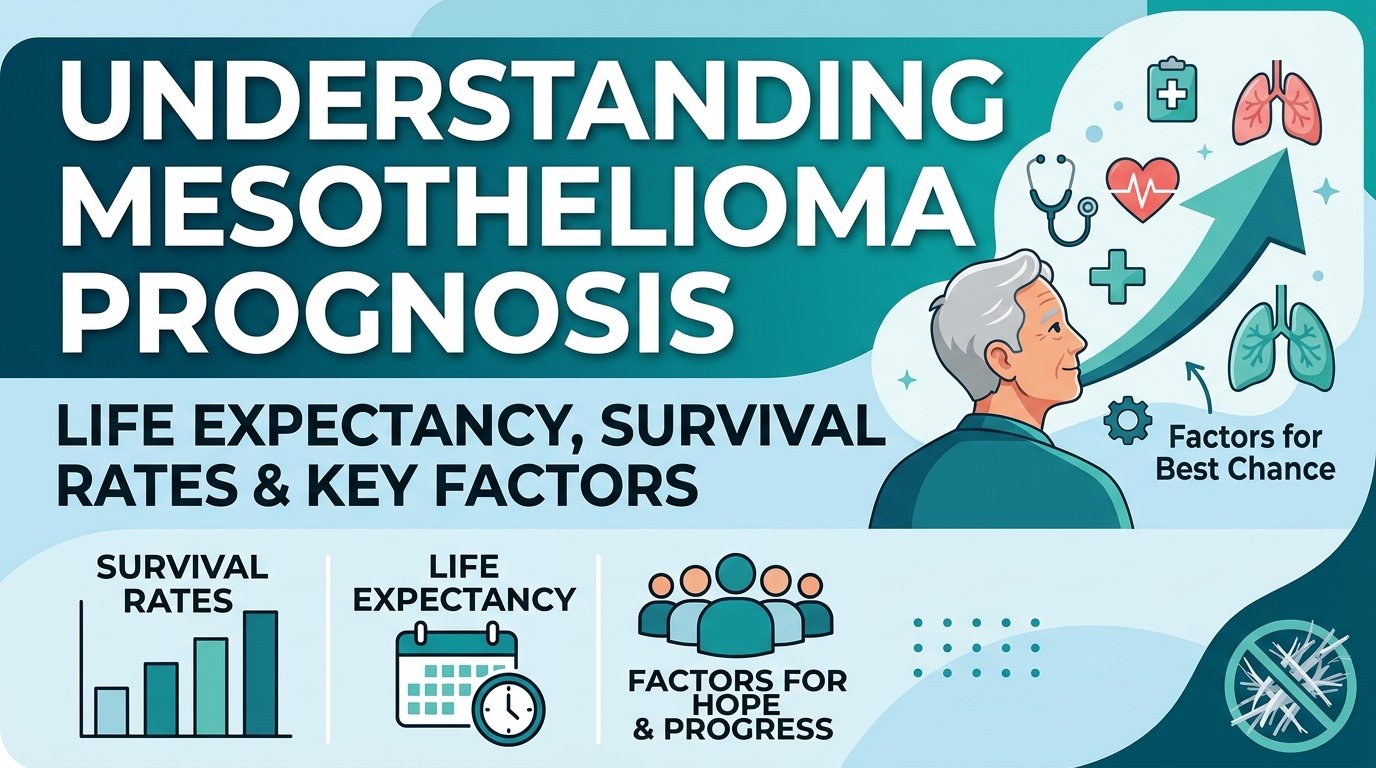
Mesothelioma Prognosis: Understanding Life Expectancy, Survival Rates, and the Factors That Give You the Best Chance

The Question Every Patient Asks First

You have been diagnosed with mesothelioma. Your mind is racing. Your heart is pounding. You have a thousand questions. But one question rises above all the others.

How long do I have to live?

It is the most natural question in the world. You want to know what you are facing. You want to plan. You want to prepare your family. You want to know if there is hope.

The answer is not simple. Every patient is different. Statistics can tell you what happened to groups of people in the past. They cannot tell you what will happen to you.

But here is what you need to know. Mesothelioma prognosis has improved significantly in recent years. New treatments are helping people live longer. Some patients are living for years or even decades after diagnosis. And the factors that lead to better outcomes are things you can act on.

This guide will walk you through everything you need to know about mesothelioma life expectancy. You will learn what affects prognosis, what the survival statistics really mean, how stage, cell type, and treatment choices matter, and most importantly, what you can do to give yourself the best possible chance.

No sugar-coating. No false hope. Just clear, honest information to help you understand your situation and fight for your life.

What Is Prognosis?

Let us start with the simple definition.

Prognosis is a medical term that means the expected outcome of a disease. When doctors talk about prognosis, they are trying to predict how the disease will progress and how long the patient is likely to live.

But here is the most important thing to understand. A prognosis is not a guarantee. It is an educated guess based on statistics. No doctor can tell you exactly how long you will live. Anyone who claims they can is lying.

Statistics tell you what happened to groups of people in the past. They cannot tell you what will happen to you as an individual. You are not a statistic. You are a unique person with your own unique body, your own unique cancer, and your own unique response to treatment.

Keep that in mind as you read the numbers in this guide.

Elderly patient
Elderly patient.

Average Mesothelioma Life Expectancy

Let us get the numbers out of the way first. These are averages based on large groups of patients.

  • Overall average life expectancy: 12 to 21 months after diagnosis
  • With treatment: 18 to 31 months
  • Without treatment: 6 to 8 months

These numbers sound scary. But remember what they are. Averages. Half of patients live longer than the average. Some live much longer.

There are patients who have lived 5, 10, or even 20 years after a mesothelioma diagnosis. Those patients are not miracles. They are people who had favorable factors and received good treatment.

You could be one of them.

Factors That Affect Mesothelioma Prognosis

Many factors affect how long a mesothelioma patient is likely to live. Here are the most important ones.

Cancer Stage

The stage of your cancer is one of the most important factors. Stage tells you how far the cancer has spread.

  • Stage 1: The cancer is in one area and has not spread. Patients with stage 1 mesothelioma typically live 21 months or longer.
  • Stage 2: The cancer has spread to nearby tissues but is still localized. Life expectancy is about 19 to 21 months.
  • Stage 3: The cancer has spread to nearby lymph nodes or tissues. Life expectancy is about 16 to 18 months.
  • Stage 4: The cancer has spread to distant parts of the body. Life expectancy is about 12 months.

Early stage mesothelioma has a much better prognosis. That is why early diagnosis is so important.

Cell Type

The type of mesothelioma cells you have also matters a great deal.

  • Epithelioid: This is the most common cell type (about 50-70 percent of cases). It responds best to treatment. Patients with epithelioid mesothelioma typically live 18 to 24 months or longer.
  • Sarcomatoid: This is less common (about 10-20 percent of cases). It is more aggressive and does not respond as well to treatment. Life expectancy is about 6 to 12 months.
  • Biphasic: This is a mix of both epithelioid and sarcomatoid cells (about 20-35 percent of cases). Prognosis depends on how much of each cell type is present. More epithelioid cells mean a better prognosis.

Patient Age and Overall Health

Younger, healthier patients do better than older, sicker patients.

  • Age: Patients under 45 have significantly better outcomes than patients over 70.
  • Overall health: Patients with no other serious health conditions (heart disease, diabetes, COPD) do better.
  • Performance status: This is a measure of how well you can perform daily activities. Patients who are still active and able to care for themselves do better.

Treatment Received

The treatments you receive make a huge difference.

  • Patients who receive multimodal therapy (surgery plus chemotherapy plus radiation) live significantly longer than patients who receive only one type of treatment.
  • Patients who are treated at a high-volume mesothelioma center do better than patients treated at a local hospital with little mesothelioma experience.
  • Patients who participate in clinical trials may have access to new treatments that improve outcomes.

Gender

Studies show that women with mesothelioma live longer than men. The reasons are not fully understood. It may be that women are diagnosed earlier, have different cell types, or have biological differences that affect the cancer.

Asbestos Exposure Type and Duration

Patients with brief, intense asbestos exposure may have different outcomes than patients with long-term, low-level exposure. But this factor is less important than the others.

Lung anatomy reference
Lung anatomy reference.

Mesothelioma Survival Rates by Stage

Survival rates tell you what percentage of patients live for a certain amount of time after diagnosis.

Stage 1 Mesothelioma

  • 1-year survival rate: 90-95 percent
  • 2-year survival rate: 50-60 percent
  • 3-year survival rate: 35-40 percent
  • 5-year survival rate: 15-20 percent

Patients with stage 1 mesothelioma have the best chance of long-term survival. Some have lived for 10 years or more.

Stage 2 Mesothelioma

  • 1-year survival rate: 80-85 percent
  • 2-year survival rate: 40-50 percent
  • 3-year survival rate: 25-30 percent
  • 5-year survival rate: 10-15 percent

Stage 3 Mesothelioma

  • 1-year survival rate: 60-70 percent
  • 2-year survival rate: 30-40 percent
  • 3-year survival rate: 15-20 percent
  • 5-year survival rate: 5-10 percent

Stage 4 Mesothelioma

Stage 4 mesothelioma prognosis is the most challenging. The cancer has spread to distant parts of the body.

  • 1-year survival rate: 40-50 percent
  • 2-year survival rate: 15-20 percent
  • 3-year survival rate: 5-10 percent
  • 5-year survival rate: Less than 5 percent

Even with stage 4 mesothelioma, there are treatment options. Chemotherapy, immunotherapy, and palliative care can help manage symptoms and extend life. Do not give up hope.

Why Some Patients Live Longer Than Expected

Every year, there are stories of mesothelioma patients who lived far longer than anyone expected. What explains these long-term survivors?

Aggressive Multimodal Treatment

Long-term survivors almost always received aggressive treatment. They had surgery to remove tumors. They had chemotherapy before or after surgery. They had radiation. They received multimodal therapy.

Treatment at a Top Center

Long-term survivors were treated at top mesothelioma centers. Places like MD Anderson, Brigham and Women’s, and Memorial Sloan Kettering. These centers have more experience and better outcomes.

Favorable Cell Type

Most long-term survivors have epithelioid mesothelioma. This cell type responds better to treatment.

Early Diagnosis

Long-term survivors were diagnosed at an early stage. Their cancer had not spread. Surgery was possible.

Good Overall Health

Long-term survivors were younger and healthier. They had no other serious health conditions. They were strong enough to handle aggressive treatment.

Participation in Clinical Trials

Some long-term survivors participated in clinical trials. They had access to new treatments that were not available to everyone.

New Treatments Are Improving Prognosis

Here is the most hopeful part of this guide. Mesothelioma prognosis is improving. New treatments are helping people live longer.

Immunotherapy

The approval of nivolumab (Opdivo) and ipilimumab (Yervoy) has changed the landscape. Some patients who were not helped by chemotherapy have done very well on immunotherapy.

Tumor Treating Fields (TTFields)

TTFields have been approved for mesothelioma. Clinical trials showed that patients who received TTFields plus chemotherapy lived longer than patients who received chemotherapy alone.

HIPEC for Peritoneal Mesothelioma

HIPEC (Heated Intraperitoneal Chemotherapy) has transformed the treatment of peritoneal mesothelioma. Some patients live for many years after HIPEC.

New Chemotherapy Combinations

Researchers are testing new chemotherapy drugs and new combinations. Some are showing promise.

What You Can Do to Improve Your Prognosis

You are not powerless. There are things you can do to give yourself the best possible chance.

Find a Mesothelioma Specialist

Do not settle for a local oncologist who has never treated mesothelioma. Go to a top center. See a specialist. Their experience matters.

Get a Second Opinion

Do not be afraid to get a second opinion. Different doctors may have different recommendations. A second opinion can give you confidence in your treatment plan.

Consider All Treatment Options

Do not dismiss surgery, chemotherapy, radiation, or immunotherapy without understanding them. Each has risks and benefits. Your doctor can help you weigh them.

Ask About Clinical Trials

New treatments are being tested all the time. Ask your doctor about clinical trials. You might qualify for a treatment that is not available to everyone.

Take Care of Your Overall Health

  • Eat well. Good nutrition gives your body the strength to fight cancer and recover from treatment.
  • Stay as active as you can. Gentle exercise can improve your energy and mood.
  • Quit smoking if you smoke. Smoking makes everything worse.
  • Manage other health conditions. Keep your heart, lungs, and other organs as healthy as possible.

Build a Support System

You cannot do this alone. Surround yourself with people who love you. Join a support group. See a counselor. Your mental health matters too.

Frequently Asked Questions

What is the longest someone has lived with mesothelioma?
There are documented cases of patients living 15, 20, or even 25 years after diagnosis. These are rare, but they happen.

Can mesothelioma go into remission?
Yes. Remission means there are no signs of cancer. Some patients achieve remission after surgery, chemotherapy, or immunotherapy. Remission can last for years.

Is mesothelioma always fatal?
Mesothelioma is a serious cancer with a poor prognosis. But new treatments are helping people live longer. Some patients are living for years. Do not give up hope.

Does chemotherapy improve life expectancy?
Yes. Chemotherapy can shrink tumors, relieve symptoms, and extend life. The average patient receiving chemotherapy lives several months longer than a patient receiving no treatment.

Can immunotherapy cure mesothelioma?
Immunotherapy is not a cure for most patients. But some patients have had remarkable responses. Their tumors disappeared. They have lived for years. Researchers are hopeful.

How accurate are mesothelioma survival statistics?
Survival statistics tell you what happened to patients in the past. They do not predict the future. New treatments are improving outcomes. Do not let statistics steal your hope.

Hope and Action

A mesothelioma diagnosis is devastating. The statistics can be frightening. But you are not a statistic. You are a unique person with your own unique journey.

The factors that lead to better outcomes are things you can act on. You can find a specialist. You can get a second opinion. You can consider all treatment options. You can ask about clinical trials. You can take care of your overall health.

Do not give up. Do not let fear paralyze you. Take action. Fight for your life.

There are patients who have lived years after being told they had months. There are patients who achieved remission when no one thought it was possible. There are patients who outlived every prediction.

You could be one of them.


Disclaimer: This article provides general information about mesothelioma prognosis, life expectancy, and survival rates. It does not constitute medical advice. Every patient’s situation is different. Statistics are averages based on past data. They do not predict individual outcomes. Always consult with qualified medical professionals about your specific prognosis and treatment options. If you or a loved one has been diagnosed with mesothelioma, speak with a doctor immediately and consider seeking a consultation at a specialized mesothelioma treatment center. Do not let statistics steal your hope. New treatments are improving outcomes every day.

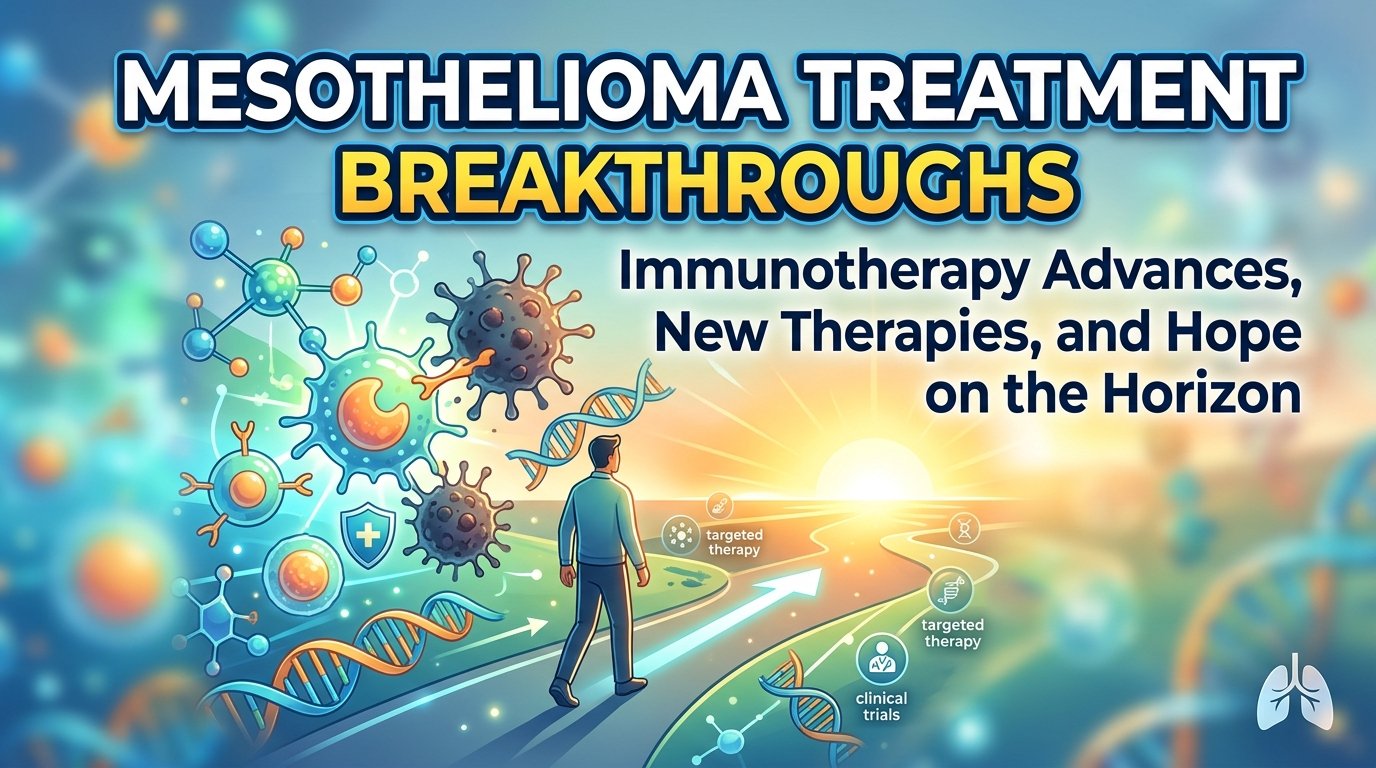
Mesothelioma Treatment Breakthroughs: New Therapies, Immunotherapy Advances, and Hope on the Horizon

The Future of Mesothelioma Treatment Is Brighter Than Ever

When you hear the word mesothelioma, your mind goes to a dark place. You think about the asbestos companies that hid the truth. You think about the long latency period. You think about the difficult treatments. You think about the prognosis.

But here is what many people do not know. The world of mesothelioma treatment is changing fast. New therapies are being developed. Old therapies are being improved. Patients are living longer than ever before.

Immunotherapy is helping some patients live for years when chemotherapy stopped working. Gene therapy is attacking cancer cells in ways that were science fiction just a decade ago. New surgical techniques are making operations safer and more effective. Clinical trials are offering hope to patients who had few options just a few years ago.

This guide will walk you through the latest mesothelioma research breakthroughs and emerging therapies. You will learn about immunotherapy, targeted therapy, gene therapy, new surgical approaches, and how to access these treatments through clinical trials.

No complicated medical jargon. No false hope. Just clear, honest information about the real advances that are changing the lives of mesothelioma patients.

Why New Treatments Are Needed

Before we talk about the breakthroughs, let us understand why they matter.

Standard treatments for mesothelioma include surgery, chemotherapy, and radiation. For many patients, these treatments work well. They shrink tumors. They relieve symptoms. They extend life.

But for many other patients, standard treatments are not enough. The cancer comes back after surgery. Chemotherapy stops working. The patient is not healthy enough for aggressive surgery.

These patients need new options. They need different drugs. Different approaches. Different combinations.

That is where the breakthroughs come in.

Medical research lab
Medical research lab.

Immunotherapy: Helping Your Body Fight Cancer

Mesothelioma immunotherapy is one of the most exciting areas of cancer research. Immunotherapy does not attack cancer directly. Instead, it helps your own immune system recognize and attack cancer cells.

Think of it this way. Your immune system is like an army. But cancer cells are sneaky. They wear disguises so your army does not see them. Immunotherapy rips off those disguises. Your army can then attack.

Approved Immunotherapy for Mesothelioma

The FDA has already approved two immunotherapy drugs for mesothelioma: nivolumab (Opdivo) and ipilimumab (Yervoy). These drugs are given together through a needle in your arm every few weeks.

Clinical trials showed that patients who received these two drugs lived longer than patients who received chemotherapy alone. Some patients had their tumors shrink significantly. A few had their tumors disappear completely.

New Immunotherapy Drugs Being Tested

Several other immunotherapy drugs are being tested in mesothelioma clinical trials.

Pembrolizumab (Keytruda): This drug has already been approved for other cancers like lung cancer and melanoma. Early trials show it may also work for mesothelioma.

Durvalumab (Imfinzi): This drug is being tested alone and in combination with chemotherapy for mesothelioma.

Atezolizumab (Tecentriq): This drug is also being tested for mesothelioma. Some trials are combining it with other immunotherapy drugs.

Combination Immunotherapy

Researchers have learned that combining different immunotherapy drugs often works better than using just one. The approved combination of nivolumab and ipilimumab is one example.

Other combinations being tested include:

  • Immunotherapy plus chemotherapy
  • Immunotherapy plus radiation
  • Two or three immunotherapy drugs together
  • Immunotherapy before surgery (neoadjuvant)
  • Immunotherapy after surgery (adjuvant)

Who Responds to Immunotherapy?

Not everyone responds to immunotherapy. Doctors are trying to figure out who will benefit.

Some studies suggest that patients with epithelioid cell type respond better than patients with sarcomatoid. Other studies suggest that patients with certain genetic markers respond better.

Even if you do not know whether you will respond, immunotherapy is worth trying. Some patients who were not expected to respond have done very well.

Targeted Therapy: Attacking Cancer Cells Where They Live

Targeted therapies are drugs that attack specific molecules that cancer cells need to grow. Unlike chemotherapy, which kills all fast-growing cells (including healthy ones), targeted therapies are more precise.

What Is Being Tested

Mesothelin-targeted therapies: Mesothelin is a protein found on the surface of most mesothelioma cells. It is not found on healthy cells. This makes it a perfect target.

Several drugs that target mesothelin are being tested. These include:

  • Amatuximab: An antibody that binds to mesothelin. It may help the immune system attack mesothelioma cells.
  • BAY 94-9343: An antibody-drug conjugate that delivers a powerful chemotherapy drug directly to mesothelin-positive cells.

Anti-angiogenic drugs: Tumors need blood vessels to grow. Anti-angiogenic drugs block the growth of new blood vessels, starving the tumor.

Bevacizumab (Avastin) is an anti-angiogenic drug that has been tested for mesothelioma. Some studies show it may help when added to chemotherapy.

PARP inhibitors: These drugs block an enzyme that cancer cells use to repair themselves. They have been successful in other cancers. Early trials suggest they may also work for mesothelioma.

Doctor explaining treatment
Doctor explaining treatment.

Gene Therapy: Changing How Cancer Cells Behave

Gene therapy is a way to treat cancer by changing the genes inside cancer cells. It sounds like science fiction, but it is real.

Suicide Gene Therapy for Mesothelioma

The most common gene therapy approach for mesothelioma is called suicide gene therapy.

Here is how it works. A harmless virus is modified to carry a special gene. The virus is injected into the chest or abdomen where the mesothelioma is. The virus infects the cancer cells and delivers the gene.

Then the patient takes a medication that activates the gene. The activated gene kills the cancer cells from the inside. It is like a ticking time bomb inside the cancer cells.

Clinical trials of suicide gene therapy have shown promising results. Some patients lived longer than expected. A few had their tumors disappear.

Other Gene Therapy Approaches

Oncolytic virus therapy: This uses viruses that infect and kill cancer cells while leaving healthy cells alone. The viruses also stimulate the immune system to attack the cancer.

CAR T-cell therapy: This is actually a type of gene therapy and immunotherapy combined. Doctors remove some of your own immune cells. They genetically modify them to recognize and attack cancer cells. Then they put them back into your body.

CAR T-cell therapy has been very successful for some types of leukemia and lymphoma. Researchers are now testing it for mesothelioma. Early results show it is safe and can shrink tumors.

New Surgical Approaches

Surgery has always been an important part of mesothelioma treatment. But traditional surgeries are very aggressive. They are not right for everyone. Recovery is long and hard.

Less Invasive Surgeries

Surgeons are now using less invasive techniques for mesothelioma.

Video-assisted thoracoscopic surgery (VATS): This uses small incisions and a camera. The surgeon does not need to open up the chest completely. Recovery is faster. There is less pain.

Robotic surgery: Robots allow surgeons to operate with more precision through small incisions. Robotic surgery is being used for both pleural and peritoneal mesothelioma.

Lung-Sparing Surgery

Traditional pleural mesothelioma surgery often requires removing the entire lung. This is called an extrapleural pneumonectomy (EPP). It is a big surgery. Recovery takes a long time.

Many surgeons now prefer a lung-sparing surgery called pleurectomy with decortication (P/D). This surgery removes the pleura (the tissue around the lung) but leaves the lung itself. Recovery is easier. It is safer for many patients.

HIPEC Advances

HIPEC (Heated Intraperitoneal Chemotherapy) is already a standard treatment for peritoneal mesothelioma. But researchers are testing improvements.

  • Different chemotherapy drugs for HIPEC
  • Different temperatures
  • Adding immunotherapy drugs to the HIPEC solution
  • Repeated HIPEC for patients who relapse

Tumor Treating Fields (TTFields)

Tumor Treating Fields use low-intensity electrical fields to disrupt cancer cell division. The electrical fields are delivered through electrodes placed on the skin.

This treatment has been approved for a type of brain cancer called glioblastoma. Researchers tested it for mesothelioma.

The clinical trial results were positive. Patients who received TTFields plus chemotherapy lived longer than patients who received chemotherapy alone. The treatment was safe. Side effects were mostly mild skin irritation.

The FDA has now approved TTFields for mesothelioma. This is the first new treatment approved for mesothelioma in many years.

Photodynamic Therapy

Photodynamic therapy (PDT) uses light to kill cancer cells. Here is how it works.

A special light-sensitive drug is injected into your body. The drug collects in cancer cells more than in healthy cells. Then, during surgery, a special light is shone on the area where the cancer is. The light activates the drug. The activated drug kills the cancer cells.

PDT has been tested for pleural mesothelioma. Some studies show it may help patients live longer when combined with surgery.

How to Access New Treatments

New treatments are not available everywhere. They are being tested in mesothelioma clinical trials. A clinical trial is a research study that tests a new treatment.

Finding Clinical Trials

There are several ways to find clinical trials for mesothelioma.

ClinicalTrials.gov: This is the largest database of clinical trials in the world. It is free to use. Search for “mesothelioma” to find trials.

Mesothelioma Applied Research Foundation: This organization has a clinical trial finder and patient navigators who can help.

Top mesothelioma treatment centers: The best centers always have clinical trials. When you call for a consultation, ask about their trials.

Is a Clinical Trial Right for You?

Clinical trials have potential benefits and risks.

Potential benefits:

  • Access to a new treatment not available elsewhere
  • The new treatment may work better than standard treatments
  • Close monitoring by a research team
  • Helping future patients

Potential risks:

  • The new treatment may not work
  • The new treatment may have unknown side effects
  • Extra visits and tests
  • Travel may be required

Talk to your doctor. Talk to the clinical trial coordinator. Make an informed decision.

Real Stories of Hope

Clinical trials are not just research. They are real people getting real treatment.

The immunotherapy success: A 64-year-old man with pleural mesothelioma had already tried chemotherapy. His cancer came back. He joined a clinical trial testing nivolumab and ipilimumab. Within three months, his tumors had shrunk by more than 60 percent. Two years later, he is still doing well.

The gene therapy patient: A 58-year-old woman with peritoneal mesothelioma had no good options left. She joined a gene therapy trial. The treatment was injected into her abdomen. Her tumors stopped growing. She lived three years longer than her doctors expected.

The TTFields patient: A 71-year-old man was not healthy enough for surgery. He joined the TTFields trial. He wore the electrodes for 18 hours a day. His tumors shrank. He felt better. He lived two years.

Frequently Asked Questions

What is the most promising new treatment for mesothelioma?
Immunotherapy, especially the combination of nivolumab and ipilimumab, is one of the most promising. TTFields is also promising and has already been approved.

How do I find mesothelioma clinical trials?
Start with ClinicalTrials.gov. Search for “mesothelioma.” Filter by location and study status. The Mesothelioma Applied Research Foundation can also help.

Does insurance cover clinical trials?
It depends. Your insurance usually covers routine care costs like doctor visits and scans. The trial sponsor usually pays for the experimental treatment. Ask the trial coordinator for details.

Can I get these new treatments outside of clinical trials?
Some are approved and available. Immunotherapy (nivolumab and ipilimumab) is approved for mesothelioma. TTFields is also approved. Others are only available in clinical trials.

How long does it take for a new treatment to become widely available?
It can take years. The treatment must go through clinical trials. Then the company must apply for FDA approval. Then doctors need to learn how to use it. But some treatments are approved faster, especially for rare cancers like mesothelioma.

Hope and Action

A mesothelioma diagnosis is devastating. There is no pretending otherwise. But the future is brighter than it has ever been.

New treatments are being developed at an amazing pace. Immunotherapy is helping some patients live for years. Gene therapy and targeted therapy are showing real promise. TTFields is already approved and available. Clinical trials are offering hope to patients who had few options just a few years ago.

You do not have to face this alone. There are doctors, researchers, patient navigators, and other patients ready to help you.

Do not give up. Do not stop looking for options. Do not stop hoping.

Talk to your doctor. Contact a mesothelioma specialist. Search for clinical trials. Your next treatment could be just around the corner.


Disclaimer: This article provides general information about new mesothelioma treatments and emerging therapies. It does not constitute medical advice. Every patient’s situation is different. Always consult with qualified medical professionals about your specific treatment needs. If you or a loved one has been diagnosed with mesothelioma, speak with a doctor immediately and ask about clinical trial options. New treatments offer new hope. Do not give up.