Pleurectomy Decortication (P/D) Surgery for Pleural Mesothelioma: A Patient Guide to Lung-Sparing Surgical Treatment

You have been told you need surgery. The doctor wrote down two letters. P slash D. They explained it to you for ten minutes. You nodded. You walked out of the office. You still do not really know what they are going to do to you.

This guide is for you. It explains pleurectomy decortication, often called P/D, in plain language. You will learn what surgeons remove, what they leave behind, why this surgery is sometimes called lung-sparing, what your recovery will look like, what the risks are, and how to know if you are a candidate. No medical jargon for the sake of jargon. Just clear answers.

Modern hospital exterior
P/D is performed at thoracic surgical centres with experienced mesothelioma teams.

What P/D Actually Is

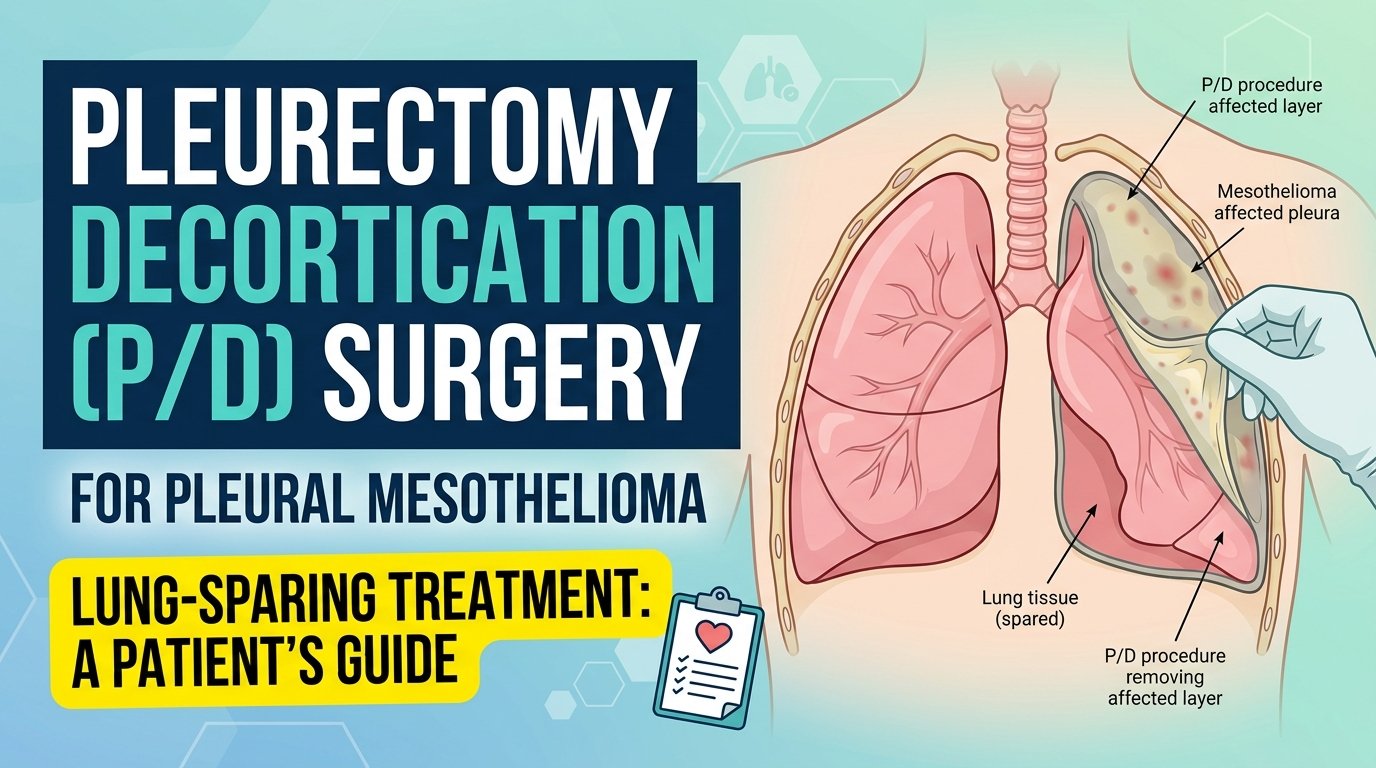
Pleurectomy decortication is a surgery for pleural mesothelioma, the kind that grows on the lining of the lungs. The surgeon makes an incision in your chest, opens the chest wall, and carefully strips away the cancer-affected lining of the lung. They also remove tissue from the diaphragm and the lining of the heart sac when those areas are involved. The lung itself stays in your body. That is what makes P/D different from the more aggressive surgical option, EPP, where the entire lung is removed.

The pleura, the tissue layer that gets removed, is normally only a few millimetres thick. In mesothelioma it thickens with tumour, sometimes to several centimetres. The surgeon’s job is to peel this thickened, cancer-laden lining away from the lung surface and from the chest wall, layer by layer, without damaging the lung underneath. The decortication part of the name refers to this peeling action.

Why Surgeons Choose P/D Over EPP

For decades, the more aggressive operation called extrapleural pneumonectomy, EPP, was the standard mesothelioma surgery. EPP removes the entire lung, the lining, the diaphragm, and the lining of the heart on the affected side. It is a bigger operation with more complications, more deaths during surgery, and a longer recovery.

Studies over the past fifteen years have shown that survival outcomes after P/D are comparable to or better than EPP for most patients. The lower complication rate of P/D, combined with the preserved lung function, has shifted most major mesothelioma treatment centers toward P/D as the first-choice operation. Some surgeons still recommend EPP for specific cases, particularly when the tumour is too extensive to peel away. But P/D has become the default for the majority of operable patients.

Lung anatomy reference
P/D preserves the underlying lung, removing only the cancer-affected lining.

Who Is a Candidate

You are likely to be considered for P/D if your mesothelioma is in the early to middle stages, if your tumour is technically resectable based on imaging, if your lung and heart function are strong enough to handle the operation, and if you are otherwise medically fit. Patients with stage I or stage II pleural mesothelioma are the strongest candidates. Some stage III patients qualify if the tumour anatomy allows it.

You will go through a thorough preoperative evaluation that includes a CT scan, a PET scan, sometimes an MRI, pulmonary function tests, an echocardiogram, blood work, and a thoracic surgery consultation. The team is looking for evidence that the tumour can be removed, that you can tolerate the surgery, and that there is no distant spread that would make the operation pointless.

What the Day of Surgery Looks Like

You will arrive at the hospital early, often before sunrise. The pre-op nurses will start an IV, run final blood work, and walk you through what to expect. The anaesthesiologist will meet with you to review the plan. The thoracic surgeon will see you briefly to confirm the operative side and answer any final questions.

The operation itself takes anywhere from four to eight hours. The surgeon makes a long incision along your back and side, between two ribs. They sometimes need to remove a small section of rib to gain access. Once inside the chest, the careful work of peeling the diseased tissue from the lung begins. Surgeons describe this part as both a technical and an artistic process. The pace is deliberate. Every layer must be inspected, separated, and removed without injury to the underlying lung tissue.

Your family will receive periodic updates from the operating room. You will wake up in the recovery area, then move to a thoracic intensive care unit. Chest tubes will drain blood and fluid. A urinary catheter will be in place. Pain control will be managed by a pump that lets you give yourself measured doses on demand.

Recovery in the Hospital

The hospital stay after P/D is typically seven to fourteen days. The first three days are the hardest. You will have several chest tubes, monitoring lines, and significant chest wall pain that the team manages aggressively with medication. By day four or five, the tubes start coming out. By day seven, most patients are walking the hallway with assistance, eating regular food, and beginning to taper off the pain pump.

Pulmonary toileting is constant. Nurses and respiratory therapists will encourage you to use an incentive spirometer hourly, to cough deliberately, and to walk as much as you can. These are not optional. They prevent pneumonia, atelectasis, and the most common postoperative complications. Patients who engage with this work recover faster. Patients who avoid it pay for it later.

Recovery at Home

You will go home with a long incision, residual fatigue, a follow-up schedule with the thoracic surgeon, and often a referral to chemotherapy or radiation as part of the multimodal mesothelioma treatment plan. The first six weeks are about gentle activity, pain management, and graduated return to baseline. Driving usually resumes at three to four weeks. Most patients return to light work between six and twelve weeks. Heavy lifting and physical labour wait longer.

The lung that was peeled re-expands gradually over weeks. Pulmonary function recovers most of its preoperative capacity in most patients, though some loss is expected. Some patients also have nerve pain along the incision site that can persist for months. This is treatable with medications, physical therapy, and time.

Risks You Should Know About

Every surgery carries risks. P/D is a major operation and the risks deserve honest discussion. The surgical mortality rate, defined as death within thirty days of the operation, is in the range of one to four percent at experienced centres. Major complications occur in twenty to forty percent of patients depending on the series. The most common include prolonged air leaks from the lung, pneumonia, atrial fibrillation, blood clots, and bleeding requiring re-operation.

The most important risk-modifying factor is the volume and experience of the surgical team. Mesothelioma surgery should be performed at high-volume centres where surgeons do this operation regularly. The difference in outcomes between high-volume and low-volume centres is substantial and well-documented. If your local oncologist refers you for P/D, ask explicitly how many P/D operations the surgical team performs per year. The answer should be in the dozens, not single digits.

Combining P/D With Other Treatments

Surgery alone rarely cures pleural mesothelioma. P/D is most effective as part of a multimodal approach that combines surgery with chemotherapy and sometimes radiation. The chemotherapy can be given before surgery to shrink the tumour, after surgery to kill remaining cells, or both. The combinations and timing are individualised based on tumour characteristics, patient fitness, and the experience of the mesothelioma treatment centers managing the case.

Newer immunotherapy combinations are being added to the mix as well, particularly for tumours with specific biomarkers. Clinical trials are testing additional sequences and combinations. Patients considering P/D should ask about clinical trial eligibility as part of the initial workup. Some trials are restricted to patients who are surgery candidates. Missing the window can close off options that may matter.

A Realistic Word About Outcomes

Pleural mesothelioma remains a serious cancer. Even with successful P/D and adjuvant therapy, recurrence is common and median survival from diagnosis is measured in years rather than decades for most patients. That said, P/D has produced meaningful long-term survivors, particularly among patients with epithelioid cell type, lower stage at diagnosis, and good response to chemotherapy.

The decision to undergo P/D is not just a medical one. It is a personal one. The recovery is hard. The risks are real. The benefits are uncertain. The right choice for you depends on your tumour, your fitness, your goals, your support system, and your willingness to undertake an aggressive treatment in pursuit of more time. A thorough conversation with a surgeon experienced in mesothelioma treatment is the starting point. The decision is yours, and it deserves to be made with full information.

This article is for educational purposes and does not replace personalised guidance from a thoracic surgeon or oncologist. For evaluation, contact a high-volume mesothelioma treatment centre. The Mesothelioma Applied Research Foundation maintains a directory of specialty programmes.
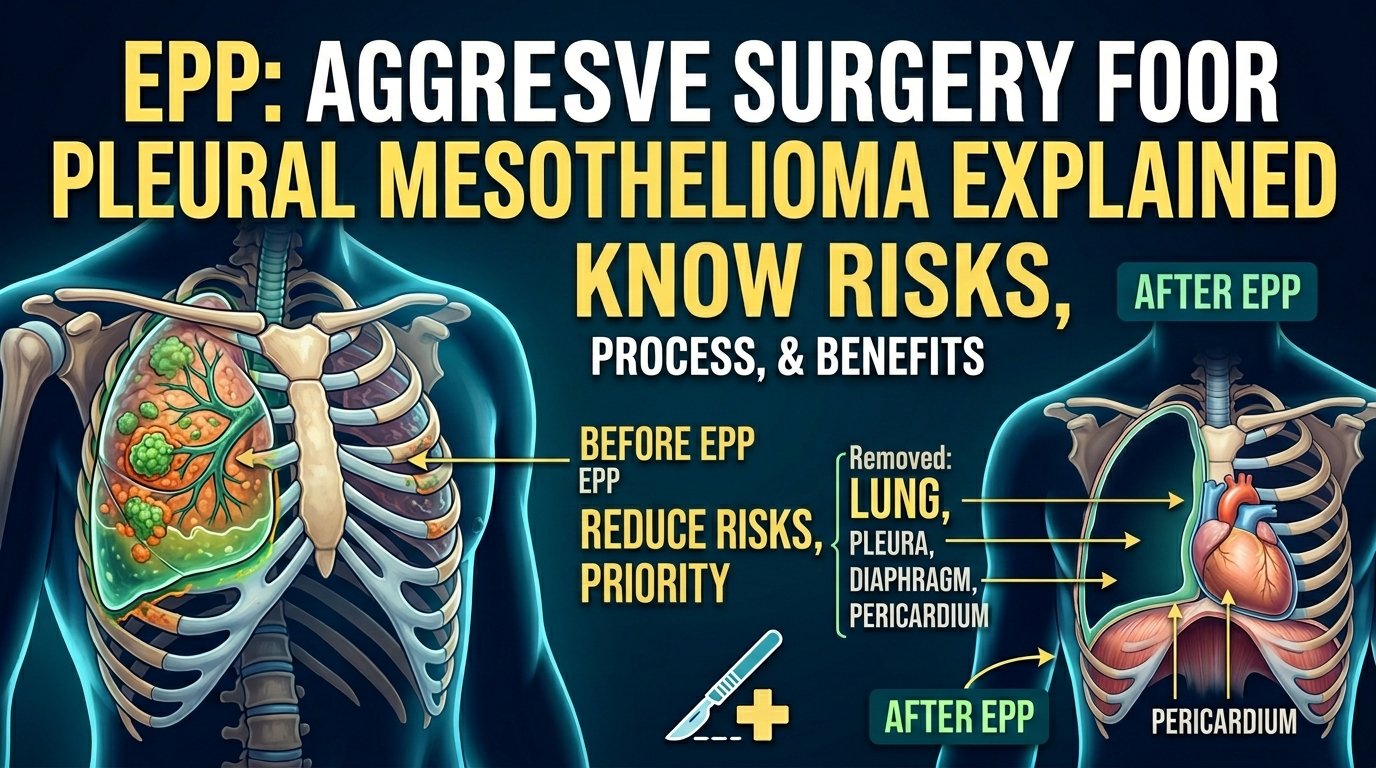

Extrapleural Pneumonectomy (EPP): The Aggressive Surgical Option for Pleural Mesothelioma Explained

Your surgeon mentioned a procedure called EPP. They said it is the most aggressive surgical option for pleural mesothelioma. They said it removes the entire lung. You went home and tried to read about it on the internet. Half of what you found was confusing. The other half was terrifying.

This guide explains extrapleural pneumonectomy, almost always shortened to EPP, in plain language. You will learn what is removed, why some surgeons still recommend it, who is a candidate, what the risks really look like, and how it compares to the lung-sparing alternative P/D. The information here will help you ask better questions. The decision belongs to you and your surgical team.

Hospital lobby
EPP is a major thoracic operation performed at experienced cancer centres.

What EPP Removes

Extrapleural pneumonectomy is the surgical removal of an entire lung, the lining of the lung, the lining of the heart sac on that side, and a large portion of the diaphragm muscle. The diaphragm is then reconstructed with a synthetic patch. The pericardium, the heart’s lining, is also reconstructed if it was removed. This is a very large operation. It changes the anatomy of the chest permanently.

The reason surgeons developed EPP was the belief that mesothelioma cells are scattered throughout the chest cavity and the only way to achieve a complete cancer removal, what surgeons call macroscopic complete resection, is to take everything that could conceivably contain disease. The price is high. The patient lives the rest of their life with one lung and an altered chest cavity.

Why EPP Has Become Less Common

Twenty years ago EPP was the dominant operation for mesothelioma at the major centres. It is no longer. Most leading mesothelioma treatment centers now perform pleurectomy decortication, P/D, more often than EPP. The reason is data. Large studies have compared the two operations and found that P/D produces equivalent or better survival with significantly fewer surgical deaths and complications.

EPP carries an operative mortality rate of approximately five to ten percent at most centres, with some series reporting higher. Major complications occur in fifty percent or more of patients. The recovery is longer and harder than P/D. Pulmonary function is permanently reduced. Postoperative quality of life is meaningfully impaired.

For these reasons, the consensus has shifted. EPP still has a role, but it is reserved for specific cases where the tumour anatomy makes P/D impossible, or where a particular surgical team has consistently strong outcomes with EPP and the patient is fit enough for the operation. The choice is individual and should be made by an experienced thoracic team.

Medical research notes
Modern multidisciplinary review weighs EPP only when P/D is not feasible.

Who Is a Candidate Today

Modern EPP candidates are usually patients with epithelioid pleural mesothelioma, stage I or II disease, anatomy that makes lung-sparing P/D impossible or incomplete, intact pulmonary function on the contralateral side, intact cardiac function, no significant other medical conditions that would worsen surgical risk, and a clear understanding of what the operation entails.

Sarcomatoid mesothelioma cell type is generally considered a contraindication to EPP because the tumour biology is too aggressive for surgery alone to make a meaningful difference. Biphasic tumours occupy a middle ground and are evaluated case by case. Patients with significant heart disease, lung disease in the opposite lung, or poor functional status are usually not candidates.

The Operation in Detail

EPP takes six to ten hours in the operating room. The incision runs along the side of the chest. Once inside, the surgeon mobilises the lung, separates major blood vessels and the airway, and removes the lung along with the surrounding lining tissue in one large specimen. The diaphragm and pericardium are also removed and reconstructed.

Reconstruction uses synthetic mesh or patch material. The mesh diaphragm replacement allows the heart and other organs to remain in their normal positions and prevents abdominal contents from herniating into the chest cavity. The pericardial reconstruction prevents the heart from herniating, which is a rare but devastating complication if the pericardium is left open.

Blood loss during EPP is typically significant. Transfusions are commonly required. Anaesthesia is delivered through a special tube that selectively ventilates one lung at a time, allowing the surgical lung to be deflated for removal. The cardiopulmonary stress on the patient is substantial.

Recovery After EPP

The hospital stay after EPP is longer than P/D, often ten to twenty days. The first week is in a thoracic intensive care unit. Multiple chest tubes drain the empty cavity where the lung used to be. Fluid will fill that space slowly over weeks, eventually solidifying into scar tissue. The body adapts to having one lung over months. Pulmonary function tests at three months typically show roughly half the preoperative capacity, which improves slightly over the following year as the remaining lung compensates.

Daily life with one lung is possible but limited. Walking is fine for most patients. Stairs are slower. Vigorous exercise is constrained. Shortness of breath at exertion is permanent. The body learns to manage, but the experience is different from preoperative life.

Combining EPP With Other Treatments

EPP is rarely the only treatment. Most protocols combine EPP with chemotherapy before or after surgery, and sometimes hemithoracic radiation therapy after surgery to reduce local recurrence. The combination is called trimodality therapy. The radiation specifically targets the tissue that lined the empty cavity, attempting to kill any microscopic disease left behind.

This trimodality approach was the standard at major mesothelioma treatment centers for years. It is still used in select cases. The combined toxicity is significant, however, and many newer protocols favour P/D-based approaches that produce comparable outcomes with less morbidity.

Survival Outcomes

Median survival after EPP for selected epithelioid pleural mesothelioma patients ranges from eighteen to thirty-six months in most published series. Long-term survivors exist. Five-year survival in selected patient cohorts can reach twenty to thirty percent, though most series report lower figures. The variation reflects differences in patient selection, surgical experience, and adjuvant therapy choices across centres.

What the data has consistently shown is that the surgical team’s experience matters enormously. Outcomes at high-volume centres are dramatically better than at low-volume centres. If EPP is being recommended to you, ask the surgeon how many EPP operations they have performed personally in the last year. The answer should be in the double digits, not the single digits.

Questions to Ask the Surgical Team

If your team is considering EPP, ask the following questions explicitly. Why EPP rather than P/D in my case. What is your team’s operative mortality and major complication rate for EPP in the last year. What is your typical adjuvant therapy plan. What does my expected pulmonary function look like at three months and one year postoperatively. What is your protocol if the operation cannot be completed safely once you are inside the chest.

The answers will tell you a lot about whether this is the right team and the right operation. Surgeons who answer with specific numbers and clear rationale are usually the ones whose outcomes are the best. Surgeons who deflect or generalise should prompt you to seek a second opinion at another major mesothelioma treatment centers programme.

A Personal Decision

EPP is the most aggressive mesothelioma treatment option short of investigational therapies. For the right patient, it can produce meaningful long-term survival. For the wrong patient, it produces complications, reduced quality of life, and no benefit. The dividing line is patient selection, surgical experience, and clear-eyed expectations on the patient’s part.

If you are weighing EPP, get a second opinion at another high-volume centre. Ask both teams to explain their reasoning. The decision is permanent. Taking the time to be certain is worth it.

This article is for educational purposes and does not replace personalised guidance from a thoracic surgeon or oncologist. For evaluation, contact a high-volume mesothelioma treatment centre.

HIPEC Surgery for Peritoneal Mesothelioma: Heated Chemotherapy and Cytoreductive Surgery Explained

You were diagnosed with peritoneal mesothelioma. The cancer in your abdomen. Your oncologist mentioned a treatment called HIPEC. Heated chemotherapy. Done during surgery. They said it has changed survival outcomes for patients like you.

This guide explains HIPEC surgery for peritoneal mesothelioma in plain language. You will learn what HIPEC is, why heat is used, how the surgery works, who is a candidate, what your recovery will look like, and what survival outcomes look like for patients who undergo it. The information will help you have a real conversation with your surgical oncologist.

Treatment room equipment
HIPEC requires specialised equipment and surgical teams trained in cytoreduction.

What HIPEC Stands For

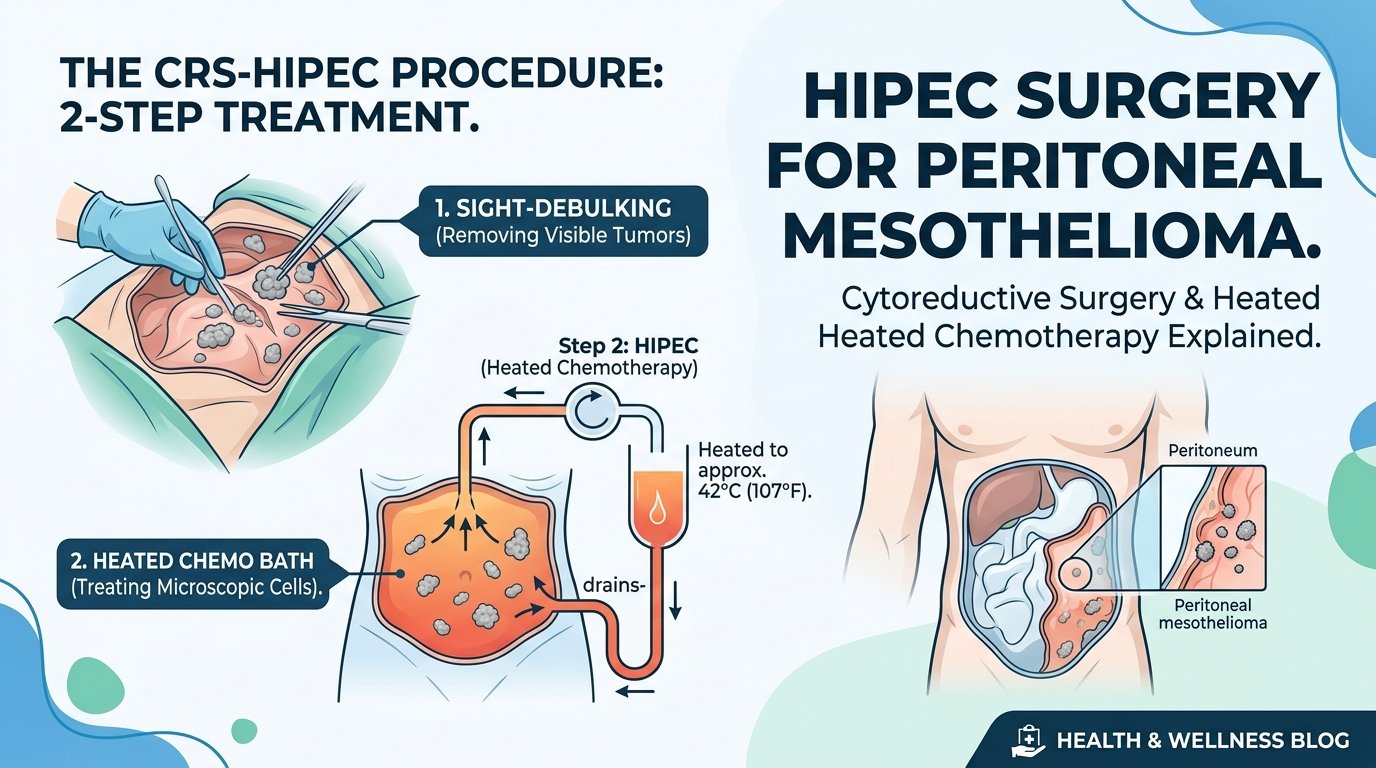
HIPEC is short for hyperthermic intraperitoneal chemotherapy. Hyperthermic means heated. Intraperitoneal means inside the abdominal cavity. Chemotherapy is the cancer-killing drug. So HIPEC is heated cancer-killing drug delivered directly inside the abdomen during surgery, rather than into a vein elsewhere in the body.

The procedure is paired with cytoreductive surgery, also called CRS, which is the surgical removal of all visible mesothelioma in the abdomen. CRS plus HIPEC, performed at the same operation, is the combination that has produced the most dramatic improvements in peritoneal mesothelioma survival over the past two decades. The full name of the operation is therefore CRS plus HIPEC, often spoken simply as HIPEC.

Why Heat Matters

Heat enhances chemotherapy in several ways. It damages cancer cell membranes directly, making the cells more vulnerable. It increases the depth at which the chemotherapy drug penetrates into tissue. It helps overcome certain resistance mechanisms that cancer cells use to survive standard temperature chemotherapy. And it does all of this while the chemotherapy is in direct contact with the surfaces where mesothelioma is most likely to recur.

The chemotherapy is heated to approximately 42 degrees Celsius, about 108 degrees Fahrenheit, and circulated through the abdominal cavity for sixty to ninety minutes. The patient is on the operating table during this time, with the abdomen open or recently closed depending on the technique. Specialised pumps maintain the temperature and circulation. Drainage and inflow catheters are placed to ensure the chemotherapy reaches all surfaces.

Hospital corridor
CRS plus HIPEC is performed only at experienced peritoneal surface malignancy centres.

The Cytoreductive Surgery Phase

Before HIPEC begins, the surgical oncologist performs cytoreductive surgery. This involves systematically inspecting and removing all visible mesothelioma from the abdominal cavity. Tumour can be growing on the lining of the abdomen, on the surface of the liver, on the spleen, on the omentum, on the bowel surfaces, on the diaphragm, in the pelvis, and elsewhere. The surgeon removes all of it that they can.

This is meticulous work. Hours pass. Each affected surface is dealt with individually. Sometimes organs need to be partially or fully removed when tumour involvement is too extensive to peel away. The omentum, the apron of fatty tissue draping the bowel, is almost always removed because it commonly harbours mesothelioma deposits. The peritoneum lining the abdominal wall is stripped away on affected surfaces.

The completeness of cytoreduction is the strongest predictor of long-term survival. Surgeons grade their result using a scoring system called the completeness of cytoreduction score, with CC-0 meaning no visible disease left and CC-1 meaning only minimal residual disease. Patients with CC-0 outcomes have the best survival statistics. Achieving CC-0 requires both surgical skill and a tumour that is technically resectable.

The HIPEC Phase

Once cytoreduction is complete, the HIPEC begins. The surgical team places inflow and outflow catheters into the abdominal cavity. The chemotherapy, most commonly cisplatin or mitomycin C for peritoneal mesothelioma, is mixed with a carrier solution and warmed to operative temperature. The pump circulates the solution through the abdomen for the prescribed time, typically ninety minutes for mesothelioma protocols.

The patient remains under anaesthesia throughout. The surgical team monitors temperature, fluid balance, kidney function, and other parameters in real time. After the prescribed circulation time, the chemotherapy is drained, the abdomen is rinsed, and the surgery is closed. Drains are placed to manage postoperative fluid collections.

Recovery After CRS Plus HIPEC

The recovery is significant. Hospital stays of fourteen to twenty-one days are typical. The first week is in an intensive care setting. Multiple drains, monitoring lines, nutritional support, and pain management are standard. Bowel function takes longer to return than after most abdominal surgeries because of the combined effects of extensive surgical work and the chemotherapy exposure to the bowel surfaces.

Common complications include prolonged ileus, where the bowel is sluggish to wake up after surgery. Anastomotic leaks if intestinal connections were created during cytoreduction. Wound healing problems. Kidney function changes from the chemotherapy. Infection. Most complications are managed and resolved with time and supportive care, but they extend the recovery and require careful monitoring.

Once home, recovery continues for two to three months before returning to baseline. Energy levels gradually improve. Eating returns to normal slowly. Most patients return to work between three and six months postoperatively, with some delays for those whose work is physically demanding.

Survival Outcomes Have Improved Dramatically

The survival data for CRS plus HIPEC in peritoneal mesothelioma has been transformative. Before HIPEC was widely used, the median survival for peritoneal mesothelioma was less than one year. With CRS plus HIPEC at experienced centres, median survival has reached five to seven years in selected series, with five-year survival rates approaching fifty percent in patients with CC-0 cytoreduction and epithelioid cell type. Some patients are now alive and well a decade or more after their HIPEC operation.

The improvement is so meaningful that peritoneal mesothelioma is now considered one of the most treatable forms of mesothelioma when caught at a stage where CRS plus HIPEC is feasible. This is a notable shift from the prior view that peritoneal mesothelioma was uniformly fatal. The shift is real, and the credit belongs to the surgical and chemotherapy advances embodied in this combined operation.

Who Is a Candidate for HIPEC

Not every peritoneal mesothelioma patient is a HIPEC candidate. The ideal candidate has limited disease that the surgeon can completely remove, epithelioid cell type, no spread outside the abdomen, good performance status, intact heart and kidney function, and the willingness to undergo a major operation with extensive recovery. Older patients can be candidates if their overall fitness is strong.

Patients with sarcomatoid or biphasic cell type have less favourable outcomes and may not benefit as much. Patients with extensive small bowel involvement that would require massive bowel resection are usually not candidates because postoperative bowel function would be inadequate. Patients with metastatic disease outside the abdomen are not candidates because HIPEC only treats the abdominal cavity.

Finding a HIPEC Centre

HIPEC for peritoneal mesothelioma should only be performed at high-volume centres specialising in peritoneal surface malignancies. The list of qualified centres in the United States is in the dozens, not hundreds. The Society of Peritoneal Surface Malignancies maintains member centres. Major academic medical centres including the National Cancer Institute, MD Anderson, Memorial Sloan Kettering, the Washington Cancer Institute, the University of Pittsburgh, and several others have established programmes.

Travelling to a high-volume centre is worth the inconvenience. The difference in outcomes between high-volume and low-volume centres for HIPEC is substantial. Insurance plans generally cover travel and treatment at out-of-network HIPEC centres when the procedure is medically necessary and not available locally. Case managers at the centre can help with the logistics.

A Hopeful Note

Among all the mesothelioma treatment options available today, CRS plus HIPEC for peritoneal mesothelioma represents one of the clearest success stories. The combination of meticulous surgical removal and heated intraperitoneal chemotherapy has changed the prognosis for a disease that once carried a death sentence. The recovery is hard. The risks are real. The benefits, for the right patient at the right centre, are meaningful and durable.

If you have peritoneal mesothelioma, ask whether CRS plus HIPEC is an option for you. If your local team does not perform the procedure, ask for a referral to a high-volume centre. The conversation is worth having early, while the disease is still in the window where surgery can produce a complete cytoreduction.

This article is for educational purposes and does not replace personalised guidance from a surgical oncologist. The Mesothelioma Applied Research Foundation maintains a directory of HIPEC centres.

Mesothelioma Chemotherapy: Cisplatin, Pemetrexed, and the Standard Treatment Combinations Explained

Your oncologist used the words cisplatin and pemetrexed. They wrote them down on a yellow notepad. They explained that this is the standard chemotherapy combination for mesothelioma. You have heard the word chemotherapy your whole life. You have never had to know what it actually does. Now you do.

This guide explains mesothelioma chemotherapy in plain language. You will learn which drugs are used, what they do inside the body, what to expect during infusions, what side effects are common, how chemotherapy fits with surgery and immunotherapy, and what newer combinations are emerging. The information will not eliminate the difficulty of treatment, but it will help you walk in prepared.

Oncology clinic interior
Standard chemotherapy infusions are delivered every three weeks at an oncology clinic.

The Standard First-Line Combination

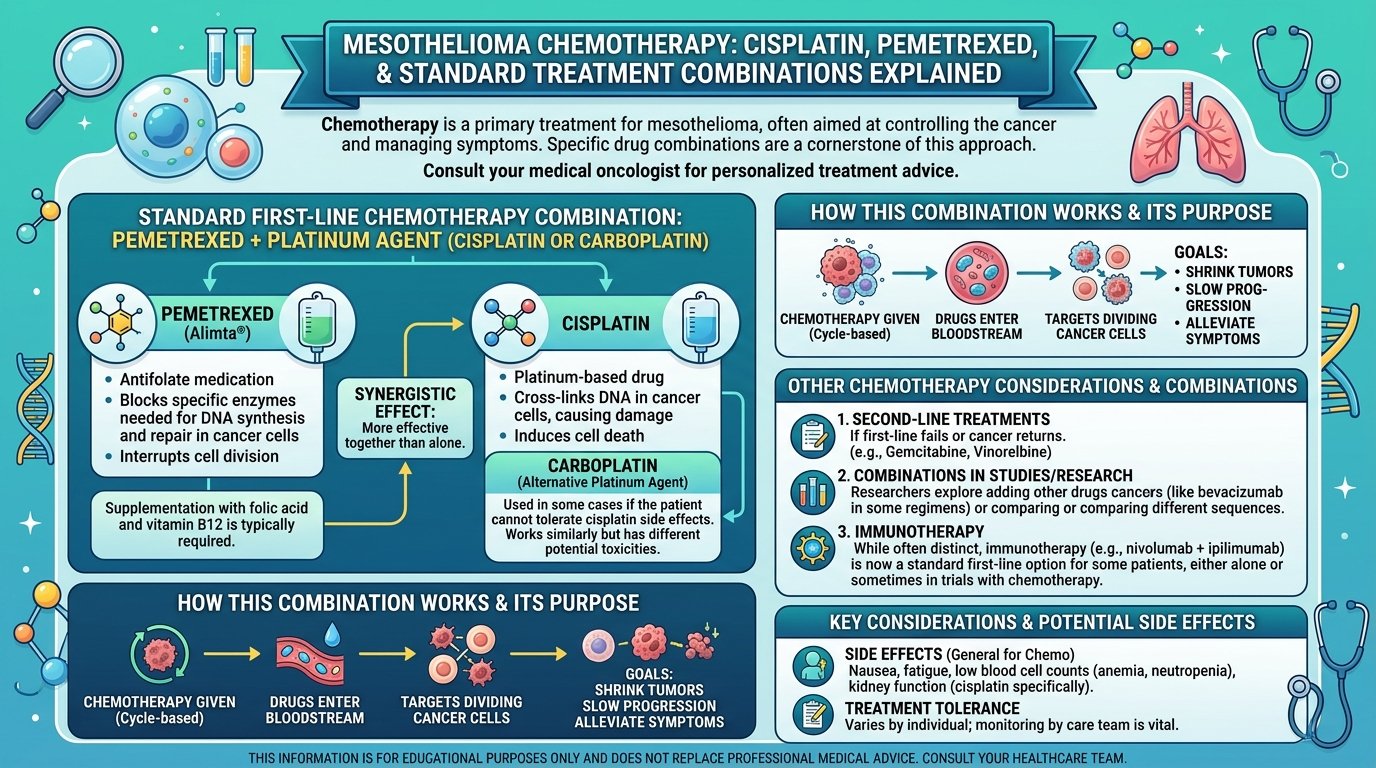
For more than two decades, the standard first-line chemotherapy for mesothelioma has been a combination of two drugs: cisplatin and pemetrexed. Pemetrexed is sold under the brand name Alimta. The combination was approved specifically for mesothelioma after a major clinical trial in the early 2000s showed it improved survival compared to cisplatin alone. It remains the backbone of chemotherapy for the disease.

Carboplatin is sometimes substituted for cisplatin in patients who cannot tolerate cisplatin’s side effects, particularly those with kidney function concerns or those over a certain age. The carboplatin-pemetrexed combination produces similar response rates with a different side effect profile, generally easier on the kidneys but harder on the bone marrow.

How the Drugs Work

Cisplatin is a platinum-based drug that damages cancer cell DNA, preventing the cells from dividing. The damage triggers cell death pathways inside the cancer cell. Cisplatin works on multiple cancer types and has been a cornerstone of cancer treatment for decades. Its limitation is the collateral damage to healthy cells, particularly in the kidneys, the inner ear, and nerve tissue.

Pemetrexed works differently. It blocks several enzymes that cells need to make DNA building blocks. Without these building blocks, cells cannot divide. Pemetrexed is particularly effective against mesothelioma, lung adenocarcinoma, and certain other cancers. It is generally well tolerated, though it can suppress bone marrow function and cause fatigue.

Together, the two drugs attack cancer cells through different mechanisms simultaneously. The combination is more effective than either drug alone. The combination is also harder on the body than either drug alone, which is the trade-off.

The Treatment Schedule

Mesothelioma chemotherapy is typically delivered in three-week cycles. On day one of each cycle, you come to the infusion centre and receive both drugs intravenously. The infusion takes several hours total, including the pre-medications, the drugs themselves, and the post-infusion fluids. You then have approximately two weeks of recovery before the next cycle begins. Most mesothelioma treatment protocols deliver four to six cycles initially.

You will start a folic acid supplement and receive a vitamin B12 injection before your first cycle. These supplements reduce certain toxicities of pemetrexed. Continue them throughout treatment. Skipping them increases your risk of mouth sores, low blood counts, and other side effects.

Before each cycle, blood work is drawn to verify your blood counts and kidney function are adequate. If they are not, the cycle is delayed by a week to allow recovery. Delays are common and not a failure. The body’s response to chemotherapy is individual, and the schedule adjusts to your specific tolerance.

Stethoscope on patient chart
Cycle planning balances tumour response against toxicity tolerance.

What Side Effects to Expect

Side effects vary from patient to patient and from cycle to cycle. The most common include nausea, fatigue, decreased appetite, mouth sores, hair thinning rather than complete loss, low blood counts, kidney function changes, peripheral neuropathy, and ringing in the ears. Most are temporary and resolve between cycles or after treatment ends. Some, like peripheral neuropathy from cisplatin, can persist for months or longer after treatment.

Modern anti-nausea medications have transformed the chemotherapy experience. The brutal vomiting of older protocols is largely a thing of the past for most patients. Pre-medications including dexamethasone and several anti-nausea drugs are routinely given before chemotherapy. Take them as prescribed. They work better when given preventively than when used to rescue established nausea.

Fatigue is the side effect that most patients find hardest to manage. It is not just being tired. It is a deep, bone-level exhaustion that does not respond to sleep. The pattern is usually predictable, with the worst fatigue in the days following each infusion and gradual recovery before the next cycle. Plan your schedule around it. Move important commitments to the better days. Allow rest on the harder days without guilt.

Chemotherapy Combined With Surgery

Chemotherapy is often combined with surgical mesothelioma treatment. The combination can take three forms. Neoadjuvant chemotherapy is given before surgery to shrink the tumour and improve the surgical result. Adjuvant chemotherapy is given after surgery to kill remaining microscopic disease. And combined neoadjuvant-adjuvant approaches use chemotherapy both before and after surgery for maximum effect.

Which approach is best depends on the patient’s tumour, fitness, and surgical plan. The decision is made by a multidisciplinary team that includes thoracic surgery, medical oncology, and radiation oncology. Most major mesothelioma treatment centers hold weekly tumour board meetings where these decisions are made collaboratively.

Chemotherapy Combined With Immunotherapy

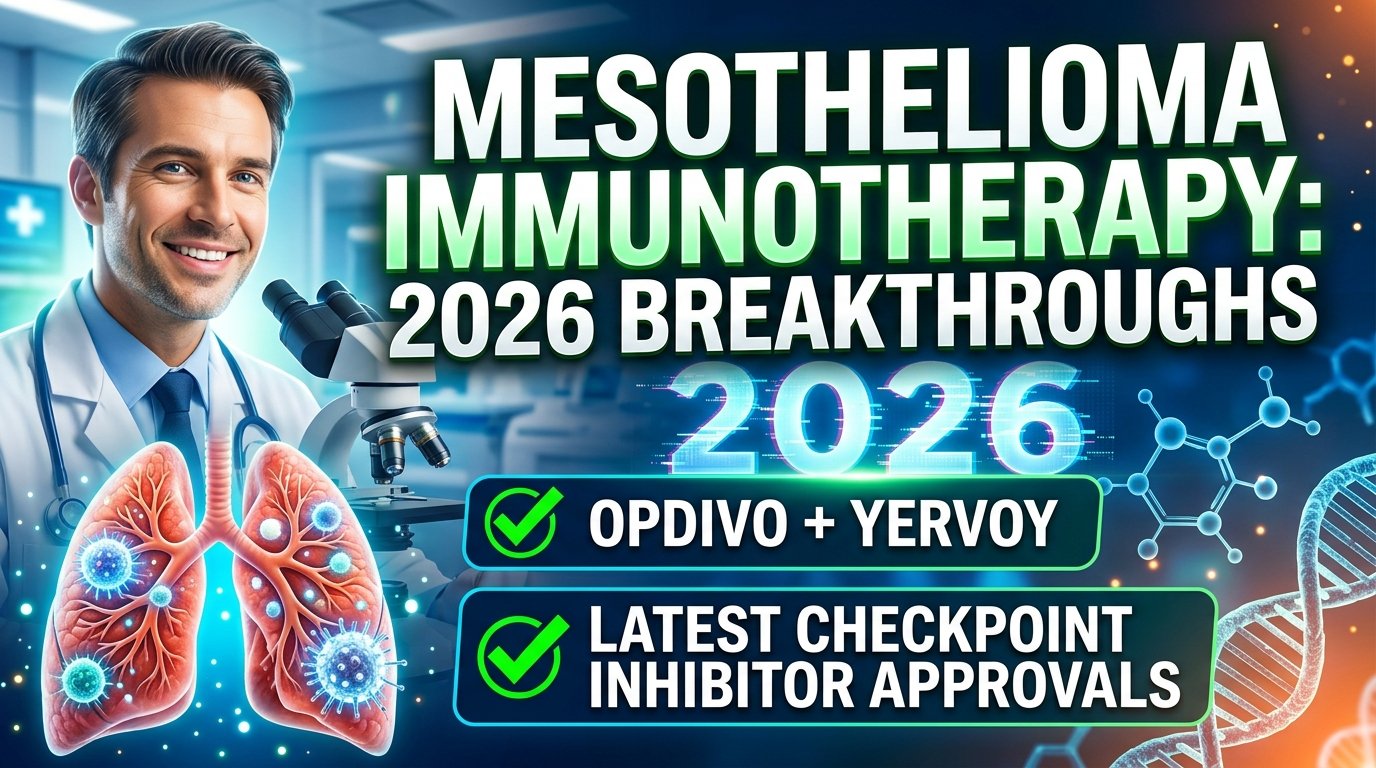
The newest standard for some mesothelioma patients combines chemotherapy with immunotherapy. The combination of nivolumab (Opdivo) and ipilimumab (Yervoy) was approved as a first-line treatment for unresectable pleural mesothelioma in 2020 and showed survival benefit over chemotherapy alone. Some protocols now combine all three: chemotherapy plus dual immunotherapy.

This is a rapidly evolving area. New approvals and trial results are reshaping standard practice every year. Patients diagnosed today should ask explicitly about the latest combination protocols available at their centre. The first-line treatment that was standard in 2020 is no longer the standard in 2026.

Maintenance Therapy

For some patients who respond well to first-line chemotherapy, maintenance therapy continues after the initial cycles to extend the response. Pemetrexed alone is sometimes used as maintenance. The decision balances the benefits of continued treatment against the cumulative toxicity. Discuss the option explicitly with your oncologist.

Maintenance therapy is not for everyone. Patients with significant side effects from initial chemotherapy may not tolerate continued treatment. Patients with very small residual disease after surgery may not need it. The choice is individual.

When Chemotherapy Stops Working

If first-line chemotherapy stops controlling the disease, second-line options exist. They include re-treating with the same drugs if the response was good and the time off treatment is significant. Switching to other chemotherapy drugs like gemcitabine or vinorelbine. Adding or switching to immunotherapy. Enrolling in a clinical trial of an investigational drug. Each option has trade-offs and your oncologist will guide the choice based on your specific situation.

Chemotherapy resistance is the rule rather than the exception in mesothelioma. The longer-term plan accepts that single drug regimens are unlikely to last forever and that sequencing through multiple lines of therapy is a normal part of long-term treatment. Patients who plan for this from the start tend to be less surprised when transitions occur.

A Practical Closing Word

Mesothelioma chemotherapy is hard. It is also among the most consistently helpful interventions available for the disease. The combination of cisplatin and pemetrexed has produced more long-term survivors than any other single treatment modality outside of selected surgical patients. Newer combinations are extending those results.

If you are about to start chemotherapy, lean on the experience of your oncology team. Ask the questions that come up. Track your side effects in a notebook to share at each visit. Bring a family member or friend to infusions when possible. Take the supportive medications seriously. And give yourself permission to rest when your body needs it. The treatment is doing its work.

This article is for educational purposes and does not replace personalised guidance from a medical oncologist. Treatment decisions should be made with your treating team based on your individual situation.

Mesothelioma Immunotherapy in 2026: Opdivo, Yervoy, and the Latest Checkpoint Inhibitor Approvals

Five years ago, immunotherapy was a footnote in mesothelioma treatment. Today it is one of the most important advances in the disease’s history. The drugs nivolumab and ipilimumab, sold as Opdivo and Yervoy, are now first-line treatment for many patients with pleural mesothelioma that cannot be removed by surgery. Newer immunotherapies are emerging every year.

This guide explains mesothelioma immunotherapy in plain language. You will learn how immunotherapy differs from chemotherapy, which drugs are approved for mesothelioma, who is a candidate, what side effects to expect, what response and survival data look like, and what new immunotherapy approaches are coming through clinical trials.

Pathology laboratory
Immunotherapy works by activating the body’s own immune system against cancer cells.

How Immunotherapy Differs From Chemotherapy

Chemotherapy attacks cancer cells directly with drugs that damage DNA or block cell division. Immunotherapy works through a different mechanism. It helps your own immune system recognise cancer cells as threats and destroy them. The cancer-killing is done by your T cells, the soldiers of your immune system, which have been activated by the immunotherapy drug.

The reason immunotherapy is needed is that cancer cells often hide from the immune system using molecular tricks. They display proteins on their surface that essentially tell T cells “do not attack me.” Immunotherapy drugs called checkpoint inhibitors block these proteins, removing the cancer’s invisibility cloak. Once the T cells can see the cancer, they engage and attack.

The Approved Combination: Opdivo Plus Yervoy

For unresectable pleural mesothelioma, the FDA-approved first-line combination is nivolumab plus ipilimumab. Nivolumab is a PD-1 checkpoint inhibitor. It blocks the PD-1 protein on T cells from interacting with the PD-L1 protein on cancer cells, restoring the T cells’ ability to attack. Ipilimumab is a CTLA-4 checkpoint inhibitor. It works at an earlier step of immune activation, helping T cells get primed to attack in the first place.

The two drugs target different brakes on the immune system. Removing both brakes simultaneously produces stronger anti-cancer activity than either drug alone. The combination was approved based on the CheckMate 743 trial, which showed a meaningful survival improvement over standard chemotherapy in patients with unresectable mesothelioma. The benefit was particularly strong in patients with sarcomatoid or biphasic cell types, which historically respond poorly to chemotherapy.

Nurse with patient
Immunotherapy infusions are typically given every two to six weeks.

The Treatment Schedule

The Opdivo-Yervoy combination is given by IV infusion. Nivolumab is administered every two weeks or every four weeks depending on the protocol. Ipilimumab is given every six weeks. Treatment continues for up to two years, or until disease progression or unacceptable side effects, whichever comes first.

Each infusion takes thirty to ninety minutes. Side effects can occur during the infusion or in the days and weeks afterward. Many patients tolerate the infusions themselves easily. The challenges, when they arise, come from the immune-related adverse events that can develop over time.

Side Effects: A Different Pattern Than Chemotherapy

Immunotherapy side effects are different from chemotherapy side effects. Because the drug is activating the immune system rather than killing cells directly, the side effects are often immune-related rather than cytotoxic. The activated immune system can attack healthy tissue along with cancer tissue. The most common immune-related adverse events include skin rashes, colitis with diarrhoea, hepatitis affecting liver function, hypothyroidism, hypophysitis affecting pituitary function, and pneumonitis affecting the lungs.

Most of these are manageable when caught early. Many resolve with corticosteroid treatment that calms the over-activated immune response. The key is recognising symptoms early and reporting them. Diarrhoea that lasts more than a day, a new rash, unexplained fatigue, shortness of breath, or any new symptom during immunotherapy deserves a phone call to the oncology team. The earlier the response, the better the outcome.

Some immune-related adverse events are permanent. Thyroid damage often requires lifelong thyroid hormone replacement. Pituitary damage can require lifelong cortisol replacement. The trade-off is generally accepted because these are manageable with daily medications, while the alternative is uncontrolled mesothelioma.

Who Is a Candidate

The first-line use of Opdivo plus Yervoy is approved for adults with unresectable pleural mesothelioma. Resectable patients are typically directed to surgery first. Patients with peritoneal mesothelioma can be considered for immunotherapy in some cases, particularly when surgery is not an option, though the formal approval was for pleural disease. Off-label use for peritoneal mesothelioma is increasingly common at major centres.

Performance status matters. Patients who are too sick to tolerate the immune side effects, who have active autoimmune diseases, or who have organ transplants on immunosuppression are generally not candidates. The decision is individualised.

Response and Survival Data

In the CheckMate 743 trial, median survival with Opdivo-Yervoy was approximately eighteen months for patients with unresectable pleural mesothelioma, compared to approximately fourteen months with standard chemotherapy. The improvement was particularly pronounced for sarcomatoid and biphasic cell types, where median survival nearly doubled. For epithelioid mesothelioma, the difference was more modest, with chemotherapy-immunotherapy combinations now being investigated to improve outcomes further.

Long-term survival data continues to mature. Some patients on immunotherapy show durable responses lasting years, sometimes appearing as if the disease has stopped progressing entirely. These long-term responders are a notable feature of immunotherapy that was not seen with chemotherapy alone. Predicting which patients will be long-term responders is an active area of research.

Newer Immunotherapy Approvals

The field is moving quickly. Several other checkpoint inhibitors are approved or in late-stage trials for mesothelioma. Pembrolizumab (Keytruda) is sometimes used in second-line settings. Tremelimumab combined with durvalumab is approved for some indications. Tumour-infiltrating lymphocyte therapy and CAR-T approaches specific to mesothelioma are in clinical trials.

The combination of chemotherapy plus immunotherapy is being tested in major trials. Early data suggests the triple combination of pemetrexed, cisplatin or carboplatin, and an immunotherapy agent may produce better outcomes than chemotherapy alone or immunotherapy alone for some patients. Approval decisions for these combinations are expected over the next few years.

Clinical Trial Considerations

Clinical trials are an important pathway to access newer immunotherapies before they receive FDA approval. Major mesothelioma treatment centers maintain active trial portfolios. Patients diagnosed with mesothelioma should ask their oncologist explicitly whether trial enrolment is appropriate at the current treatment phase.

Trials are competitive. Eligibility criteria are specific. Some trials require enrolment before starting any first-line therapy. Others enrol patients after disease progression on standard treatment. Knowing which trials are open at which centres, and timing enrolment correctly, can be the difference between accessing a breakthrough therapy and missing the window.

A Realistic Closing Note

Immunotherapy has changed the landscape of mesothelioma treatment. It is not a cure. It does not work for every patient. The side effects, when they occur, can be serious. But for many patients, particularly those with sarcomatoid or biphasic cell types who historically had few options, immunotherapy has produced meaningful and sometimes durable responses that were not available a decade ago.

If you are considering immunotherapy, ask your oncology team about the specific protocol they recommend, the expected response based on your tumour cell type and biomarkers, the side effects you should watch for, and the trial options that may be appropriate. The conversation is worth having early, while you have time to weigh choices.

This article is for educational purposes and does not replace personalised guidance from a medical oncologist. Discuss treatment options with your treating team.

Radiation Therapy for Mesothelioma: When It Helps, When It Does Not, and How It Fits With Surgery and Chemotherapy

Your team mentioned radiation. They were vague about whether it would actually help you. The reason is that radiation’s role in mesothelioma is more limited and more targeted than for many other cancers. It is not a primary treatment in most cases. It has specific roles where it works well, and other situations where it does not help.

This guide explains mesothelioma radiation therapy in plain language. You will learn when radiation is useful, when it is not, what the experience of treatment is like, what side effects to expect, and how it fits with surgery and other treatments. The goal is to help you have a meaningful conversation with your radiation oncologist.

Cancer center entrance
Radiation oncology departments use sophisticated planning to target tumour while sparing healthy tissue.

Why Radiation Is Tricky in Mesothelioma

Mesothelioma is a difficult cancer for radiation because the tumour grows in a thin, sheet-like pattern across large surfaces inside the chest or abdomen. Conventional radiation works best on focal tumours that can be targeted as a single mass. Mesothelioma’s diffuse growth pattern requires either treating large volumes of tissue, which damages healthy organs, or treating only specific areas, which leaves disease untreated elsewhere.

Modern radiation techniques like intensity-modulated radiation therapy and proton beam therapy have improved the precision of treatment. The doses can now conform to complex tumour shapes and spare nearby organs better than older techniques. Even with these advances, radiation in mesothelioma is generally used for specific purposes rather than as the primary treatment.

Three Common Uses of Radiation in Mesothelioma

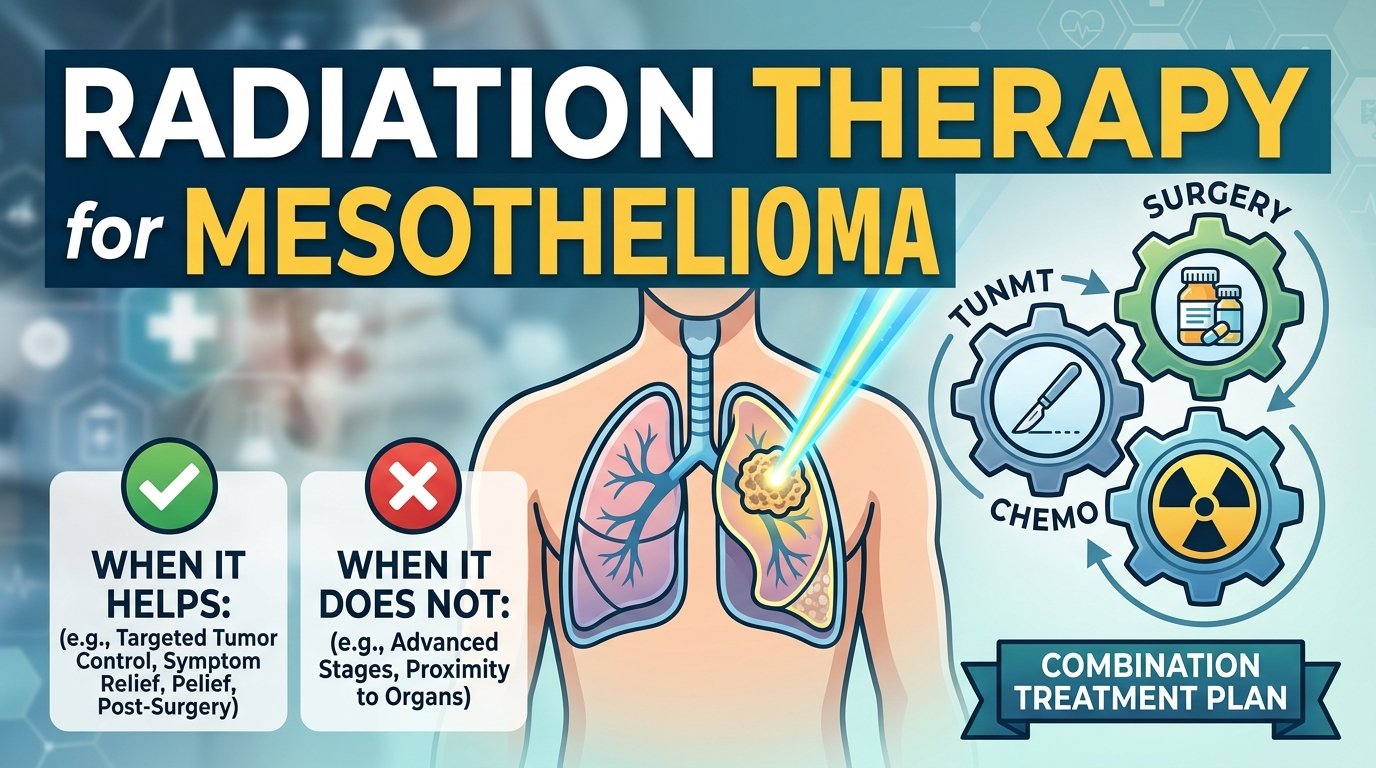
Radiation has three established roles in mesothelioma care. The first is hemithoracic radiation after EPP surgery. After the entire lung has been removed, the empty cavity can be radiated to kill any residual disease cells lining the chest wall. This was a standard part of the trimodality protocol that combined chemotherapy, EPP, and radiation. It is used less often now that P/D has displaced EPP as the more common surgical approach.

The second is palliative radiation for symptom control. Pain from chest wall tumour invasion, breathing difficulty from large tumour masses pressing on airways, and other localised symptoms can often be relieved with focused radiation. The doses are lower than curative-intent radiation. The treatment courses are short, often a single fraction or a week of daily treatments. Symptom relief is the goal and is usually achieved.

The third is prevention of seeding metastases. Mesothelioma can spread along the tracks created by surgical instruments or biopsy needles, producing skin lumps at incision sites that can be painful and disfiguring. Prophylactic radiation to these sites soon after a procedure can reduce this complication. The evidence for routine prophylactic radiation is mixed, and practice varies between centres.

Treatment planning meeting
Multidisciplinary planning identifies whether radiation will help in a specific case.

What the Treatment Process Looks Like

Radiation therapy begins with a planning session called simulation. You lie on a treatment table while imaging studies are performed to map the exact location of the tumour and surrounding organs. The radiation oncologist uses these images to design a treatment plan that delivers the prescribed dose to the target while sparing healthy tissue as much as possible.

Treatment is then delivered over a series of daily sessions, typically Monday through Friday for several weeks. Each session takes fifteen to thirty minutes. The actual radiation delivery is brief, often less than five minutes. Most of the appointment time is spent positioning you precisely on the table to match the planning images. You feel nothing during the radiation itself.

Side effects develop over the course of treatment and persist for weeks afterward. Skin redness or tenderness in the radiation field is common. Fatigue accumulates. If radiation is being delivered to the chest, oesophageal irritation can cause swallowing discomfort. Cough and shortness of breath can develop temporarily as nearby lung tissue reacts. These typically resolve over weeks to months after treatment ends.

Proton Beam Therapy as an Option

Proton beam therapy uses charged particles instead of standard X-rays. Protons deposit most of their energy at a specific depth and stop, rather than continuing through tissue like X-rays. This property allows proton radiation to target tumour deeply while delivering minimal dose beyond the target. For mesothelioma, where critical organs surround the tumour, proton therapy can offer dose advantages.

Proton centres are less common than standard radiation centres. Insurance coverage is variable. The clinical evidence for proton over standard radiation in mesothelioma is still developing. Some mesothelioma treatment centers have proton facilities and use them for selected cases. If proton is an option locally, ask the radiation oncologist whether your specific situation would benefit.

Radiation in the Modern Treatment Landscape

Radiation’s role has narrowed as immunotherapy and improved chemotherapy combinations have produced more effective systemic treatments. The all-of-the-above trimodality protocols of fifteen years ago have given way to more selective use of radiation. The shift reflects evolving evidence about what helps and what just adds toxicity.

That said, radiation remains an important tool in the toolkit. For specific surgical patients, for symptom control, and for selected research protocols, it produces real benefits. The decision to use or not use radiation in a given patient is made by a multidisciplinary team that includes radiation oncology, medical oncology, and surgery. The conversation should be specific to your case rather than a generic recommendation.

Questions to Ask Your Radiation Oncologist

If radiation is being recommended for your mesothelioma treatment, ask the radiation oncologist these specific questions. What is the goal of radiation in my case, cure or symptom control. What dose and fractionation schedule are you planning. What are the expected side effects given my anatomy and prior treatments. Could proton beam therapy improve the dose distribution. What is the alternative if I decline radiation. The answers will let you make an informed decision.

Get a second opinion at another centre if you are uncertain. Major mesothelioma treatment centers have differing radiation philosophies, and the variation is real. The right answer for you depends on your tumour, your prior treatments, your goals, and your tolerance for the side effects involved.

This article is for educational purposes and does not replace personalised guidance from a radiation oncologist. Treatment decisions are individual.

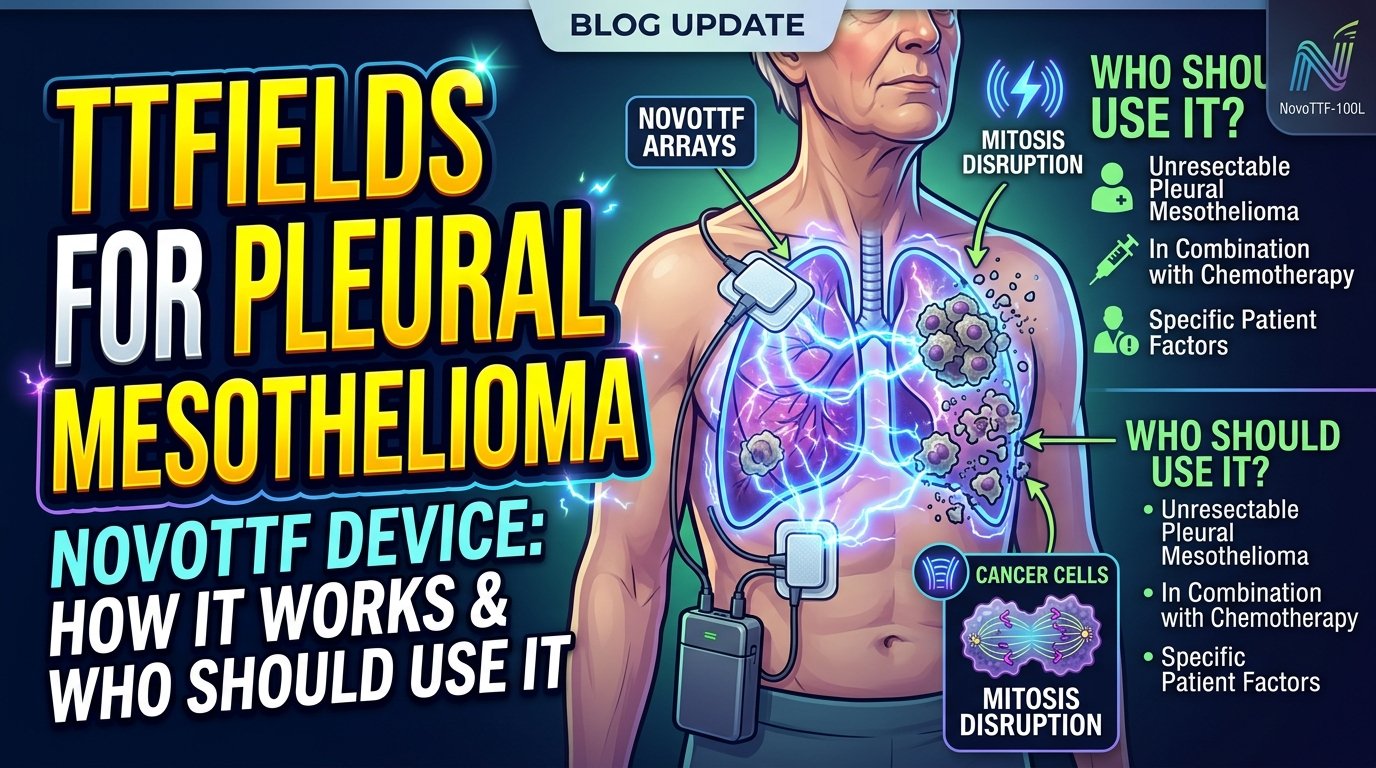
Tumor Treating Fields (TTFields) for Pleural Mesothelioma: How the NovoTTF Device Works and Who Should Use It

Your oncologist mentioned a treatment that does not involve drugs or radiation. They called it tumour treating fields. They said it uses electrical fields to slow cancer growth. They said you wear it on your body. You went home unsure whether this is real medicine or science fiction.

It is real medicine. Tumour treating fields, often abbreviated TTFields and sold under the brand name NovoTTF, is FDA-approved for pleural mesothelioma. This guide explains how it works, who it is for, what wearing the device is actually like, and what survival data has been reported.

Hospital ward
TTFields therapy is delivered through transducer arrays worn on the chest skin.

How TTFields Work

Tumour treating fields use low-intensity, alternating electric fields to disrupt cancer cell division. When a cell divides, certain molecules inside the cell need to align in specific ways to complete the division. The alternating electric fields interfere with this alignment. Cancer cells, which divide much more frequently than healthy cells, are disproportionately affected.

The fields are generated by a portable device the patient wears. Adhesive patches called transducer arrays are placed on the skin of the chest, four arrays per session, and connected by wires to the generator carried in a small bag. The patient wears the device most hours of the day, ideally eighteen hours or more, with brief breaks for showering or skin care.

FDA Approval for Pleural Mesothelioma

The FDA approved TTFields for unresectable pleural mesothelioma in 2019. The approval was based on the STELLAR trial, which combined TTFields with standard chemotherapy and showed median survival improvement compared to historical chemotherapy controls. The approval is for use in combination with first-line chemotherapy in patients who cannot have surgery.

The device is also approved for glioblastoma brain cancer and pancreatic cancer in the United States. The same underlying technology, with different field configurations, is used for each indication. The mesothelioma version is specifically tuned to the body region and tumour location involved.

Doctor consultation
TTFields is added to standard chemotherapy for unresectable pleural mesothelioma.

What Wearing the Device Is Like

The transducer arrays are placed on the chest by a trained technician at the start of treatment. The skin underneath needs to be clean and shaved. Patients shave their chest hair every few days to maintain good contact. The arrays are replaced every two to four days as the adhesive wears out and the skin needs care.

The generator is about the size of a small handbag. It runs on rechargeable batteries that last approximately three to four hours each. Patients carry spare batteries and swap them throughout the day. The device makes a quiet electronic hum but is otherwise unobtrusive. Most patients can continue normal activities with the device on, including light exercise.

The most common side effect is skin irritation under the transducer arrays. Mild redness, itching, and occasionally blistering can develop. Skin care with topical steroids and array repositioning manages most cases. Discontinuation due to skin issues is uncommon when the team is experienced.

Who Is a Candidate

The FDA approval covers patients with unresectable pleural mesothelioma who are starting first-line treatment with chemotherapy. The device is used in combination with chemotherapy, not as a replacement. Patients who are surgery candidates are typically directed to surgery rather than TTFields.

Patients with implanted electronic devices like pacemakers cannot use TTFields because of potential interference. Patients with skin conditions that prevent secure adhesion of the arrays may have difficulty using the device effectively. Patients who cannot tolerate wearing the device for long periods may not benefit because adherence under eighteen hours a day reduces the treatment effect.

Survival Data and Cost

In the STELLAR trial, the median survival with TTFields plus chemotherapy was approximately eighteen months, compared to historical chemotherapy controls of approximately twelve months. The improvement was meaningful, particularly given that there was no increase in chemotherapy-related side effects. Long-term follow-up has continued to show survival benefit, with some patients exceeding three years of survival on the combination.

The device is expensive. The monthly cost approaches twenty thousand dollars before insurance. Coverage varies by plan. Networks behind major commercial insurers and Medicare typically cover the device when used for FDA-approved indications, though prior authorisation is required and the process can be lengthy. The manufacturer, Novocure, has patient support programmes that help with insurance navigation and financial assistance.

Practical Considerations

TTFields is a commitment. Wearing the device eighteen hours a day for many months requires lifestyle adjustment. The visible nature of the device makes hiding the diagnosis from coworkers or social contacts impossible. The skin care, battery management, and array changes become a daily routine.

For patients who can adhere to the protocol, the survival benefit appears real. For patients who cannot or do not want to wear the device consistently, the treatment effect is diminished. The decision should be made with eyes open about the practical demands.

Combining TTFields With Newer Therapies

Trials are now testing TTFields combined with immunotherapy as well as chemotherapy. The mechanisms are independent and may produce additive effects. Early results are encouraging but the formal data is still maturing. Patients on first-line immunotherapy who are interested in adding TTFields should ask their oncologist whether off-label use is appropriate or whether trial enrolment is an option.

The integration of TTFields into broader mesothelioma treatment protocols is still evolving. The next several years will likely see expanded combinations and clearer guidance on when the device adds the most value.

A Closing Note

TTFields represents a fundamentally different approach to cancer treatment than drugs or surgery. The mechanism is novel. The evidence is real. The practical demands are significant. For unresectable pleural mesothelioma patients who can adhere to the wearing schedule, the device offers a meaningful additional tool alongside chemotherapy.

Ask your oncology team whether TTFields is an appropriate addition to your treatment plan. The answer depends on your tumour, your overall treatment strategy, and your willingness to commit to the protocol. The conversation is worth having explicitly rather than assuming the device is or is not relevant to your case.

This article is for educational purposes and does not replace personalised guidance from a medical oncologist.

Choosing a Mesothelioma Specialty Center: How to Find a High-Volume Cancer Hospital and Coordinate With Your Local Team

Your local hospital has an oncology department. They can give you chemotherapy. They can do basic surgery. They have managed cancer patients for decades. But they have probably never seen a mesothelioma case before yours. This is normal. Mesothelioma is rare. Local oncologists may diagnose it once or twice a year, sometimes never.

The decision of where to receive your mesothelioma treatment is one of the most consequential decisions in your care. Outcomes at high-volume specialty centres are measurably better than at general oncology practices for this disease. This guide explains how to find a specialty centre, what to expect when you go, how insurance handles travel for treatment, and how to integrate specialty care with your local team.

Modern hospital exterior
Mesothelioma specialty centres are concentrated in major academic medical centres.

Why Volume Matters in Mesothelioma

Surgical and oncology outcomes for rare cancers consistently track with the volume of cases that the centre and the individual physicians handle. For mesothelioma, the volume effect is particularly pronounced. Surgical mortality, complication rates, completeness of cytoreduction, and median survival all favour high-volume centres. The differences are not small. They are clinically meaningful.

The reasons are straightforward. High-volume centres have surgeons who perform many cases per year, oncologists who follow the latest mesothelioma-specific evidence, pathologists who can confirm rare diagnostic findings, radiation oncologists experienced with mesothelioma planning, and supportive services that have managed the specific complications of the disease. The infrastructure cannot be replicated in a centre that sees mesothelioma rarely.

The Major Centres in the United States

Several mesothelioma treatment centers have established multidisciplinary programmes with high volumes and strong outcomes. The list is not exhaustive but includes the National Cancer Institute, the Brigham and Women’s Hospital International Mesothelioma Program, the University of Pennsylvania, MD Anderson Cancer Center, Memorial Sloan Kettering Cancer Center, the University of Pittsburgh, the University of Chicago, the Pacific Mesothelioma Center, the Baylor College of Medicine programme, and several others.

Each programme has slightly different specialties. Some lead in surgical innovation. Some lead in clinical trials. Some specialise in peritoneal disease. The Mesothelioma Applied Research Foundation maintains a directory of programmes that can help you identify centres that are reasonable matches for your specific case.

Cancer center entrance
Specialty centres offer multidisciplinary teams not available at most local hospitals.

What to Expect at a First Visit

A first visit at a specialty centre typically involves a half-day to full-day commitment. You will see multiple specialists in sequence: a thoracic surgeon, a medical oncologist, a radiation oncologist, sometimes a pulmonologist, and supportive services. Each will review your case in detail and contribute to a coordinated treatment plan.

Bring all your medical records, imaging on a CD or via electronic transfer, pathology slides if possible, and a list of every medication you take. The centre will often request that pathology slides be sent in advance for review by their own pathologists. A confirmed diagnosis is the foundation of treatment planning, and second-look pathology occasionally changes the diagnosis or refines the cell-type classification.

Expect to leave with a written treatment recommendation, a sense of timing for treatments and follow-ups, contact information for ongoing communication, and a clear plan for how the centre will coordinate with your local oncologist for routine care between specialty visits.

Travel and Lodging Logistics

Most patients receiving care at a specialty centre live some distance from the centre. Travel becomes part of the treatment plan. Major centres have patient navigators who can help with logistics including flights, hotel discounts, and patient lodging programmes that provide low-cost accommodation near the hospital. Hope Lodge from the American Cancer Society is one such programme operating near several cancer centres.

For surgery and inpatient stays, family members typically travel with the patient. The Joe Andruzzi Foundation and similar organisations provide grants for travel costs. Some airlines offer compassionate fare programmes. Hospital social workers can help identify resources specific to your situation.

Insurance and Out-of-Network Care

The specialty centre may not be in your insurance network. Out-of-network care is often covered when the procedure is medically necessary and not available locally. The key is documentation. The specialty centre’s case management team handles the prior authorisation process, working with your insurance to obtain approval for treatment as a single-case agreement or out-of-network exception.

Approval is usually granted for mesothelioma cases because the disease is rare and the volume effect is documented. If approval is initially denied, appeal. Specialty centres have appeals teams experienced in mesothelioma authorisations. The first denial is often reversed on appeal with appropriate clinical documentation.

Coordinating With Your Local Team

Going to a specialty centre does not mean abandoning your local oncologist. The most common arrangement is a hub-and-spoke model where the specialty centre directs the overall plan and the local team delivers routine chemotherapy infusions, monitors blood work, manages day-to-day side effects, and provides follow-up care between major visits.

This arrangement preserves continuity of care, reduces travel, and uses each team’s strengths. The specialty centre brings deep mesothelioma expertise. The local team brings familiarity with you, accessibility, and integration with your other healthcare. Communication between the two teams should be explicit, with shared records and regular updates.

Second Opinions Are Standard

Even after establishing care at one specialty centre, second opinions at other centres are reasonable for major decisions like surgical approach, eligibility for clinical trials, or transitions between lines of therapy. Most specialty centres expect and welcome second opinions. The patient’s confidence in the chosen plan is part of the treatment, and second opinions reinforce or refine that confidence.

Insurance generally covers second opinions for cancer treatment. The specialty centres have streamlined the process. Bringing your records to a second consultation does not commit you to changing your care; it informs your decision.

A Closing Recommendation

If you have been diagnosed with mesothelioma, prioritise getting a consultation at a high-volume specialty centre early. The travel is worth it. The expertise is worth it. The connection to clinical trials and the latest treatment approaches is worth it. The local relationship can continue alongside specialty care, but the specialty foundation should be in place from the start.

Ask your local oncologist for a referral. If they hesitate, advocate for yourself. The Mesothelioma Applied Research Foundation, Mesothelioma Hope, and patient advocacy organisations can help with referrals. The first step is the appointment. The rest unfolds from there.

This article is for educational purposes and does not constitute personalised medical advice.

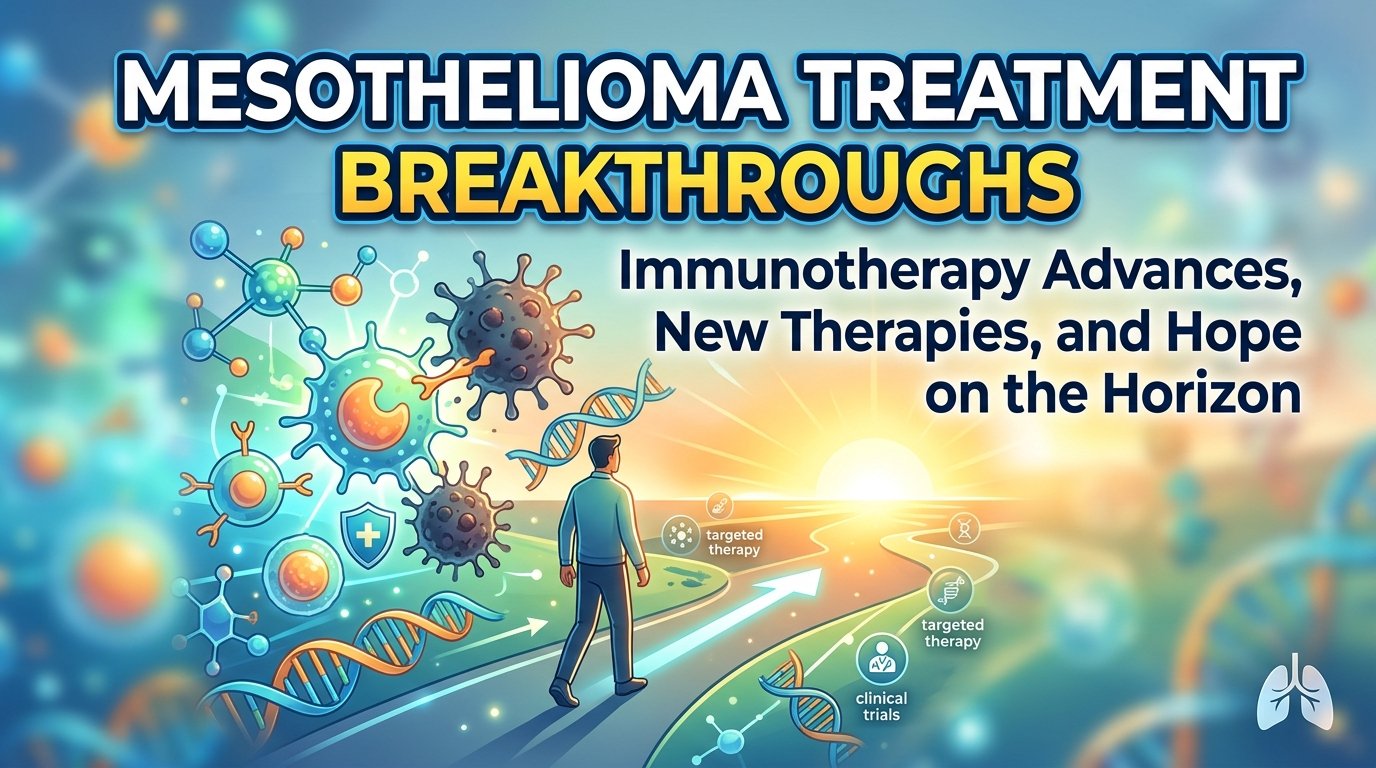
Mesothelioma Treatment Breakthroughs: New Therapies, Immunotherapy Advances, and Hope on the Horizon

The Future of Mesothelioma Treatment Is Brighter Than Ever

When you hear the word mesothelioma, your mind goes to a dark place. You think about the asbestos companies that hid the truth. You think about the long latency period. You think about the difficult treatments. You think about the prognosis.

But here is what many people do not know. The world of mesothelioma treatment is changing fast. New therapies are being developed. Old therapies are being improved. Patients are living longer than ever before.

Immunotherapy is helping some patients live for years when chemotherapy stopped working. Gene therapy is attacking cancer cells in ways that were science fiction just a decade ago. New surgical techniques are making operations safer and more effective. Clinical trials are offering hope to patients who had few options just a few years ago.

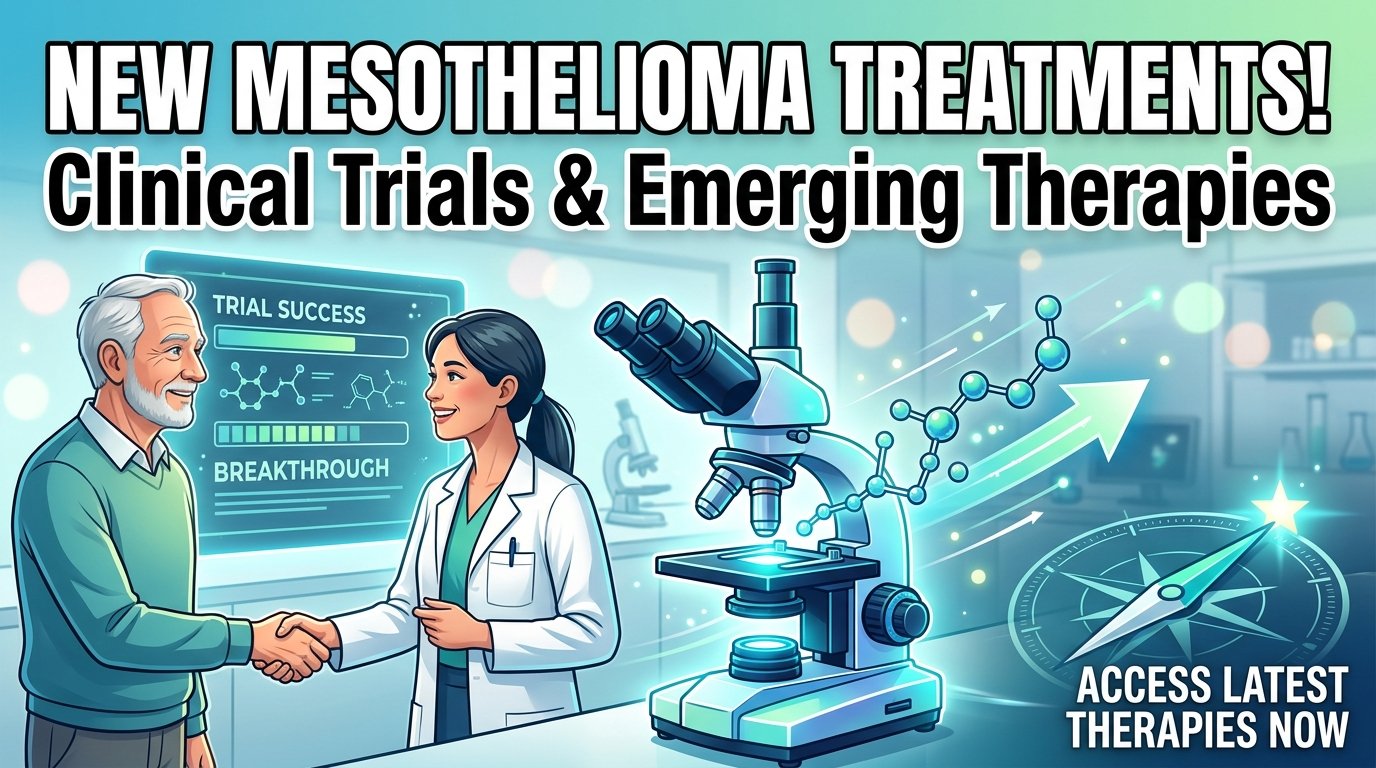
This guide will walk you through the latest mesothelioma research breakthroughs and emerging therapies. You will learn about immunotherapy, targeted therapy, gene therapy, new surgical approaches, and how to access these treatments through clinical trials.

No complicated medical jargon. No false hope. Just clear, honest information about the real advances that are changing the lives of mesothelioma patients.

Why New Treatments Are Needed

Before we talk about the breakthroughs, let us understand why they matter.

Standard treatments for mesothelioma include surgery, chemotherapy, and radiation. For many patients, these treatments work well. They shrink tumors. They relieve symptoms. They extend life.

But for many other patients, standard treatments are not enough. The cancer comes back after surgery. Chemotherapy stops working. The patient is not healthy enough for aggressive surgery.

These patients need new options. They need different drugs. Different approaches. Different combinations.

That is where the breakthroughs come in.

Medical research lab
Medical research lab.

Immunotherapy: Helping Your Body Fight Cancer

Mesothelioma immunotherapy is one of the most exciting areas of cancer research. Immunotherapy does not attack cancer directly. Instead, it helps your own immune system recognize and attack cancer cells.

Think of it this way. Your immune system is like an army. But cancer cells are sneaky. They wear disguises so your army does not see them. Immunotherapy rips off those disguises. Your army can then attack.

Approved Immunotherapy for Mesothelioma

The FDA has already approved two immunotherapy drugs for mesothelioma: nivolumab (Opdivo) and ipilimumab (Yervoy). These drugs are given together through a needle in your arm every few weeks.

Clinical trials showed that patients who received these two drugs lived longer than patients who received chemotherapy alone. Some patients had their tumors shrink significantly. A few had their tumors disappear completely.

New Immunotherapy Drugs Being Tested

Several other immunotherapy drugs are being tested in mesothelioma clinical trials.

Pembrolizumab (Keytruda): This drug has already been approved for other cancers like lung cancer and melanoma. Early trials show it may also work for mesothelioma.

Durvalumab (Imfinzi): This drug is being tested alone and in combination with chemotherapy for mesothelioma.

Atezolizumab (Tecentriq): This drug is also being tested for mesothelioma. Some trials are combining it with other immunotherapy drugs.

Combination Immunotherapy

Researchers have learned that combining different immunotherapy drugs often works better than using just one. The approved combination of nivolumab and ipilimumab is one example.

Other combinations being tested include:

  • Immunotherapy plus chemotherapy
  • Immunotherapy plus radiation
  • Two or three immunotherapy drugs together
  • Immunotherapy before surgery (neoadjuvant)
  • Immunotherapy after surgery (adjuvant)

Who Responds to Immunotherapy?

Not everyone responds to immunotherapy. Doctors are trying to figure out who will benefit.

Some studies suggest that patients with epithelioid cell type respond better than patients with sarcomatoid. Other studies suggest that patients with certain genetic markers respond better.

Even if you do not know whether you will respond, immunotherapy is worth trying. Some patients who were not expected to respond have done very well.

Targeted Therapy: Attacking Cancer Cells Where They Live

Targeted therapies are drugs that attack specific molecules that cancer cells need to grow. Unlike chemotherapy, which kills all fast-growing cells (including healthy ones), targeted therapies are more precise.

What Is Being Tested

Mesothelin-targeted therapies: Mesothelin is a protein found on the surface of most mesothelioma cells. It is not found on healthy cells. This makes it a perfect target.

Several drugs that target mesothelin are being tested. These include:

  • Amatuximab: An antibody that binds to mesothelin. It may help the immune system attack mesothelioma cells.
  • BAY 94-9343: An antibody-drug conjugate that delivers a powerful chemotherapy drug directly to mesothelin-positive cells.

Anti-angiogenic drugs: Tumors need blood vessels to grow. Anti-angiogenic drugs block the growth of new blood vessels, starving the tumor.

Bevacizumab (Avastin) is an anti-angiogenic drug that has been tested for mesothelioma. Some studies show it may help when added to chemotherapy.

PARP inhibitors: These drugs block an enzyme that cancer cells use to repair themselves. They have been successful in other cancers. Early trials suggest they may also work for mesothelioma.

Doctor explaining treatment
Doctor explaining treatment.

Gene Therapy: Changing How Cancer Cells Behave

Gene therapy is a way to treat cancer by changing the genes inside cancer cells. It sounds like science fiction, but it is real.

Suicide Gene Therapy for Mesothelioma

The most common gene therapy approach for mesothelioma is called suicide gene therapy.

Here is how it works. A harmless virus is modified to carry a special gene. The virus is injected into the chest or abdomen where the mesothelioma is. The virus infects the cancer cells and delivers the gene.

Then the patient takes a medication that activates the gene. The activated gene kills the cancer cells from the inside. It is like a ticking time bomb inside the cancer cells.

Clinical trials of suicide gene therapy have shown promising results. Some patients lived longer than expected. A few had their tumors disappear.

Other Gene Therapy Approaches

Oncolytic virus therapy: This uses viruses that infect and kill cancer cells while leaving healthy cells alone. The viruses also stimulate the immune system to attack the cancer.

CAR T-cell therapy: This is actually a type of gene therapy and immunotherapy combined. Doctors remove some of your own immune cells. They genetically modify them to recognize and attack cancer cells. Then they put them back into your body.

CAR T-cell therapy has been very successful for some types of leukemia and lymphoma. Researchers are now testing it for mesothelioma. Early results show it is safe and can shrink tumors.

New Surgical Approaches

Surgery has always been an important part of mesothelioma treatment. But traditional surgeries are very aggressive. They are not right for everyone. Recovery is long and hard.

Less Invasive Surgeries

Surgeons are now using less invasive techniques for mesothelioma.

Video-assisted thoracoscopic surgery (VATS): This uses small incisions and a camera. The surgeon does not need to open up the chest completely. Recovery is faster. There is less pain.

Robotic surgery: Robots allow surgeons to operate with more precision through small incisions. Robotic surgery is being used for both pleural and peritoneal mesothelioma.

Lung-Sparing Surgery

Traditional pleural mesothelioma surgery often requires removing the entire lung. This is called an extrapleural pneumonectomy (EPP). It is a big surgery. Recovery takes a long time.

Many surgeons now prefer a lung-sparing surgery called pleurectomy with decortication (P/D). This surgery removes the pleura (the tissue around the lung) but leaves the lung itself. Recovery is easier. It is safer for many patients.

HIPEC Advances

HIPEC (Heated Intraperitoneal Chemotherapy) is already a standard treatment for peritoneal mesothelioma. But researchers are testing improvements.

  • Different chemotherapy drugs for HIPEC
  • Different temperatures
  • Adding immunotherapy drugs to the HIPEC solution
  • Repeated HIPEC for patients who relapse

Tumor Treating Fields (TTFields)

Tumor Treating Fields use low-intensity electrical fields to disrupt cancer cell division. The electrical fields are delivered through electrodes placed on the skin.

This treatment has been approved for a type of brain cancer called glioblastoma. Researchers tested it for mesothelioma.

The clinical trial results were positive. Patients who received TTFields plus chemotherapy lived longer than patients who received chemotherapy alone. The treatment was safe. Side effects were mostly mild skin irritation.

The FDA has now approved TTFields for mesothelioma. This is the first new treatment approved for mesothelioma in many years.

Photodynamic Therapy

Photodynamic therapy (PDT) uses light to kill cancer cells. Here is how it works.

A special light-sensitive drug is injected into your body. The drug collects in cancer cells more than in healthy cells. Then, during surgery, a special light is shone on the area where the cancer is. The light activates the drug. The activated drug kills the cancer cells.

PDT has been tested for pleural mesothelioma. Some studies show it may help patients live longer when combined with surgery.

How to Access New Treatments

New treatments are not available everywhere. They are being tested in mesothelioma clinical trials. A clinical trial is a research study that tests a new treatment.

Finding Clinical Trials

There are several ways to find clinical trials for mesothelioma.

ClinicalTrials.gov: This is the largest database of clinical trials in the world. It is free to use. Search for “mesothelioma” to find trials.

Mesothelioma Applied Research Foundation: This organization has a clinical trial finder and patient navigators who can help.

Top mesothelioma treatment centers: The best centers always have clinical trials. When you call for a consultation, ask about their trials.

Is a Clinical Trial Right for You?

Clinical trials have potential benefits and risks.

Potential benefits:

  • Access to a new treatment not available elsewhere
  • The new treatment may work better than standard treatments
  • Close monitoring by a research team
  • Helping future patients

Potential risks:

  • The new treatment may not work
  • The new treatment may have unknown side effects
  • Extra visits and tests
  • Travel may be required

Talk to your doctor. Talk to the clinical trial coordinator. Make an informed decision.

Real Stories of Hope

Clinical trials are not just research. They are real people getting real treatment.

The immunotherapy success: A 64-year-old man with pleural mesothelioma had already tried chemotherapy. His cancer came back. He joined a clinical trial testing nivolumab and ipilimumab. Within three months, his tumors had shrunk by more than 60 percent. Two years later, he is still doing well.

The gene therapy patient: A 58-year-old woman with peritoneal mesothelioma had no good options left. She joined a gene therapy trial. The treatment was injected into her abdomen. Her tumors stopped growing. She lived three years longer than her doctors expected.

The TTFields patient: A 71-year-old man was not healthy enough for surgery. He joined the TTFields trial. He wore the electrodes for 18 hours a day. His tumors shrank. He felt better. He lived two years.

Frequently Asked Questions

What is the most promising new treatment for mesothelioma?
Immunotherapy, especially the combination of nivolumab and ipilimumab, is one of the most promising. TTFields is also promising and has already been approved.

How do I find mesothelioma clinical trials?
Start with ClinicalTrials.gov. Search for “mesothelioma.” Filter by location and study status. The Mesothelioma Applied Research Foundation can also help.

Does insurance cover clinical trials?
It depends. Your insurance usually covers routine care costs like doctor visits and scans. The trial sponsor usually pays for the experimental treatment. Ask the trial coordinator for details.

Can I get these new treatments outside of clinical trials?
Some are approved and available. Immunotherapy (nivolumab and ipilimumab) is approved for mesothelioma. TTFields is also approved. Others are only available in clinical trials.

How long does it take for a new treatment to become widely available?
It can take years. The treatment must go through clinical trials. Then the company must apply for FDA approval. Then doctors need to learn how to use it. But some treatments are approved faster, especially for rare cancers like mesothelioma.

Hope and Action

A mesothelioma diagnosis is devastating. There is no pretending otherwise. But the future is brighter than it has ever been.

New treatments are being developed at an amazing pace. Immunotherapy is helping some patients live for years. Gene therapy and targeted therapy are showing real promise. TTFields is already approved and available. Clinical trials are offering hope to patients who had few options just a few years ago.

You do not have to face this alone. There are doctors, researchers, patient navigators, and other patients ready to help you.

Do not give up. Do not stop looking for options. Do not stop hoping.

Talk to your doctor. Contact a mesothelioma specialist. Search for clinical trials. Your next treatment could be just around the corner.


Disclaimer: This article provides general information about new mesothelioma treatments and emerging therapies. It does not constitute medical advice. Every patient’s situation is different. Always consult with qualified medical professionals about your specific treatment needs. If you or a loved one has been diagnosed with mesothelioma, speak with a doctor immediately and ask about clinical trial options. New treatments offer new hope. Do not give up.

Mesothelioma Clinical Trials: New Treatments, Emerging Therapies, and How to Access the Latest Medical Breakthroughs

Hope When Standard Treatments Are Not Enough

You have been diagnosed with mesothelioma. You have learned about surgery, chemotherapy, and radiation. Those are the standard treatments. For many patients, they work well. But maybe you have been told that standard treatments are not working for you. Maybe your cancer has stopped responding to chemotherapy. Maybe you are not healthy enough for surgery. Maybe you are looking for something more.

You are not out of options.

There is a whole world of new treatments being developed right now. Immunotherapy drugs that help your own immune system fight cancer. Targeted therapies that attack cancer cells while leaving healthy cells alone. Gene therapies that change how cancer cells behave. New combinations of existing drugs that work better together.

These new treatments are not yet available to everyone. They are being tested in clinical trials. Clinical trials are research studies that test new treatments to see if they are safe and effective. For many mesothelioma patients, clinical trials offer hope when standard treatments have failed.

This guide will walk you through everything you need to know about mesothelioma clinical trials. You will learn what clinical trials are, what new treatments are being tested, how to find trials you might qualify for, how to decide if a trial is right for you, and how to get financial help to participate. No complicated medical language. No confusing research jargon. Just clear, honest information to help you find hope and options.

What Are Clinical Trials?

Let us start with the simple explanation.

Before a new treatment can be given to everyone, it must be tested. Scientists need to know if it works. They need to know if it is safe. They need to know what side effects it causes. They need to know how it compares to existing treatments.

The way they get this information is through clinical trials.

A clinical trial is a research study that involves human volunteers. The volunteers are people like you. People with mesothelioma who are willing to try a new treatment. By participating in a clinical trial, you help scientists learn whether the new treatment works. And you may benefit from the treatment yourself.

Stethoscope on patient chart
Stethoscope on patient chart.

The Four Phases of Clinical Trials

Clinical trials happen in phases. Each phase has a different purpose.

Phase 1 Trials

This is the first time a new treatment is tested in people. The goal of a Phase 1 trial is to find out if the treatment is safe. Doctors start with very low doses. They slowly increase the dose to find the highest dose that is safe. They also look for side effects.

Phase 1 trials are small. They usually have only fifteen to thirty patients. The goal is not to see if the treatment works. The goal is to see if it is safe. But sometimes patients in Phase 1 trials do very well.

Who should consider a Phase 1 trial? Patients who have tried all standard treatments and they did not work. Or patients who are not healthy enough for standard treatments.

Phase 2 Trials

Once a treatment has been shown to be safe, it moves to a Phase 2 trial. The goal of a Phase 2 trial is to find out if the treatment works. Doctors give the treatment to a larger group of patients, usually fifty to one hundred people. They watch to see if the tumors shrink. They watch to see if patients live longer.

Phase 2 trials also continue to watch for side effects.

Who should consider a Phase 2 trial? Patients who have tried standard treatments without success. Or patients who want access to promising new treatments.

Phase 3 Trials

If a treatment looks promising in Phase 2 trials, it moves to a Phase 3 trial. The goal of a Phase 3 trial is to compare the new treatment to the current standard treatment.

Patients are randomly assigned to one of two groups. One group gets the new treatment. The other group gets the standard treatment. This is called a randomized trial. It is the best way to know if the new treatment is actually better than what is already available.

Phase 3 trials are large. They can include hundreds of patients from many different hospitals and cancer centers.

Who should consider a Phase 3 trial? Patients who want access to a new treatment that might be better than the standard treatment. Also patients who want to help advance medical science.

Phase 4 Trials

After a treatment has been approved by the FDA, it may be studied in a Phase 4 trial. These trials look at long-term safety and effectiveness. They follow patients for years to watch for rare side effects or late effects.

New Mesothelioma Treatments Being Tested Right Now

There are dozens of new mesothelioma treatments being tested in clinical trials right now. Here are some of the most promising.

Immunotherapy for Mesothelioma

Immunotherapy for mesothelioma is one of the most exciting areas of research. Immunotherapy drugs do not attack cancer directly. Instead, they help your own immune system recognize and attack cancer cells.

Two immunotherapy drugs, nivolumab (Opdivo) and ipilimumab (Yervoy), have already been approved by the FDA for mesothelioma. But researchers are testing many more.

What is being tested now:

  • New immunotherapy drugs that work in different ways
  • Combinations of immunotherapy with chemotherapy
  • Combinations of two or three immunotherapy drugs together
  • Immunotherapy before surgery (neoadjuvant immunotherapy)
  • Immunotherapy after surgery (adjuvant immunotherapy)

Promising trials: Several trials are testing immunotherapy drugs called pembrolizumab (Keytruda), durvalumab (Imfinzi), and atezolizumab (Tecentriq) for mesothelioma.

Targeted Therapy

Targeted therapies are drugs that attack specific molecules that cancer cells need to grow. Unlike chemotherapy, which kills all fast-growing cells (including healthy ones), targeted therapies are more precise. They attack cancer cells while leaving healthy cells alone.

Researchers have identified several targets in mesothelioma cells. Clinical trials are testing drugs that attack these targets.

What is being tested now:

  • Drugs that target the mesothelin protein (found on most mesothelioma cells)
  • Drugs that block blood vessel growth to tumors
  • Drugs that interfere with cancer cell division
  • Drugs that cause cancer cells to self-destruct

Gene Therapy

Gene therapy is a way to treat cancer by changing the genes inside cancer cells. The most common approach for mesothelioma is called suicide gene therapy.

Here is how it works. A harmless virus is modified to carry a special gene. The virus is injected into the chest or abdomen where the mesothelioma is. The virus infects the cancer cells and delivers the gene. Then the patient takes a medication that activates the gene. The activated gene kills the cancer cells from the inside.

Promising trials: Several trials have tested a gene therapy called aglatimagene besadenovec (trade name Oncorine). Results have been promising for patients with early-stage disease.

CAR T-Cell Therapy

CAR T-cell therapy is a type of immunotherapy where doctors remove some of your own immune cells, genetically modify them to recognize and attack cancer cells, and then put them back into your body.

This treatment has been very successful for some types of leukemia and lymphoma. Researchers are now testing it for mesothelioma.

Promising trials: Several trials are testing CAR T-cells that target the mesothelin protein. Early results show that the treatment is safe and can shrink tumors in some patients.

Tumor Treating Fields (TTFields)

Tumor Treating Fields use low-intensity electrical fields to disrupt cancer cell division. The electrical fields are delivered through electrodes placed on the skin.

This treatment has been approved for a type of brain cancer called glioblastoma. Researchers are testing it for mesothelioma.

Promising trials: A large clinical trial tested TTFields for mesothelioma. The results showed that patients who received TTFields plus chemotherapy lived longer than patients who received chemotherapy alone.

HIPEC Variations

HIPEC (Heated Intraperitoneal Chemotherapy) is already a standard treatment for peritoneal mesothelioma. But researchers are testing new variations.

What is being tested now:

  • Different chemotherapy drugs for HIPEC
  • Different temperatures for the heated chemotherapy
  • HIPEC with immunotherapy drugs added
  • Repeated HIPEC for patients who relapse
Pathology laboratory
Pathology laboratory.

How to Find Mesothelioma Clinical Trials

Finding clinical trials can feel overwhelming. But there are resources to help.

ClinicalTrials.gov

ClinicalTrials.gov is the largest database of clinical trials in the world. It is run by the US government. It is free to use.

To search for mesothelioma trials:

  • Go to ClinicalTrials.gov
  • Type “mesothelioma” in the search box
  • You will see a list of hundreds of trials
  • You can filter by location, phase, and study status

The information on ClinicalTrials.gov is technical. It can be hard to understand. Ask your doctor or a patient navigator to help you.

The Mesothelioma Applied Research Foundation

The Mesothelioma Applied Research Foundation (curemeso.org) has a clinical trial finder. They also have patient navigators who can help you understand your options.

Cancer Centers

The top mesothelioma treatment centers all have clinical trials. When you call a center for a consultation, ask about their clinical trials. They will tell you what trials are open and whether you might qualify.

Your Doctor

Your local oncologist can also help you find clinical trials. Many community oncologists are connected to research networks. They can search for trials that might be right for you.

How to Decide If a Clinical Trial Is Right for You

Participating in a clinical trial is a big decision. There are potential benefits and potential risks. Here is what to consider.

Potential Benefits

  • You may get access to a new treatment that is not available anywhere else
  • The new treatment may work better than standard treatments
  • You will receive close monitoring by a research team
  • You will be helping future mesothelioma patients by advancing medical science

Potential Risks

  • The new treatment may not work
  • The new treatment may cause side effects that are not yet known
  • You may be randomly assigned to the standard treatment group (in Phase 3 trials)
  • The trial may require extra visits, extra tests, and travel

Questions to Ask Before Joining a Trial

Before you decide to join a clinical trial, ask these questions.

  • What is the purpose of this trial?
  • What treatments will I receive?
  • Will I know which treatment I am getting?
  • What are the possible side effects?
  • How long will the trial last?
  • Will I have to travel? Who pays for travel?
  • Does the trial pay for my treatment? What does my insurance pay for?
  • Can I leave the trial if I want to?

Does Insurance Cover Clinical Trials?

This is a common concern. The answer is. It depends.

What insurance usually covers: Your insurance will usually cover the routine costs of your cancer care. Doctor visits, hospital stays, scans, and lab tests. These are things that would be covered even if you were not in a trial.

What the trial usually covers: The trial sponsor (drug company, research institute, or government) usually pays for the experimental treatment itself. They also pay for any extra tests or visits that are required only for the research.

What you need to check: Before you join a trial, talk to the research coordinator. Ask for a written explanation of what the trial pays for and what your insurance pays for. Then call your insurance company and verify that they will cover the routine costs.

Travel and Lodging for Clinical Trials

Many clinical trials are only available at large cancer centers in major cities. If you do not live near one, you may need to travel.

Help is available:

  • Some trials include travel and lodging allowances
  • The American Cancer Society offers free lodging through their Hope Lodge program
  • Mercy Medical Angels and other organizations offer free or discounted air travel
  • Your lawyer may be able to help with travel expenses if you have a pending lawsuit or trust fund claim

Ask the clinical trial coordinator about help with travel and lodging.

Stories of Hope: Patients Who Benefited from Clinical Trials

Clinical trials are not just research. They are real people getting real treatment. Here are examples of how clinical trials have helped mesothelioma patients.

The immunotherapy success: A 62-year-old man with pleural mesothelioma had already tried chemotherapy. His cancer came back. He joined a clinical trial testing a combination of two immunotherapy drugs. Within three months, his tumors had shrunk by more than 50 percent. Two years later, he is still doing well.

The HIPEC survivor: A 55-year-old woman with peritoneal mesothelioma was told she had less than a year to live. She joined a clinical trial testing a new HIPEC protocol. She had surgery and heated chemotherapy. That was eight years ago. She is still cancer-free today.

The gene therapy patient: A 70-year-old man was not healthy enough for surgery. He joined a gene therapy trial. The treatment was injected into his chest. His tumors stopped growing. He lived two years longer than his doctors expected.

These are real stories. They could be your story too.

Frequently Asked Questions

Are clinical trials safe?
Clinical trials have many safeguards. Before a trial can start, it must be approved by an Institutional Review Board (IRB). The IRB includes doctors, researchers, and community members. Their job is to protect patient safety. You are also watched closely during the trial. You can leave at any time.

Will I get a placebo?
Very rarely. In cancer trials, it is considered unethical to give a placebo when a patient has a serious disease. If a trial has a control group, the control group usually gets the current standard treatment, not a placebo.

What if the treatment does not work?
That is always a possibility. But if the treatment does not work, you can leave the trial. You can then try other treatments, including other clinical trials.

Can I get a clinical trial if I have already had chemotherapy?
Yes. Many clinical trials are specifically for patients who have already tried standard treatments.

How long does a clinical trial last?
It depends on the trial. Some trials last a few months. Others last several years. Your trial coordinator will explain the timeline.

Will I have to pay to participate in a clinical trial?
No. You should never have to pay to participate in a clinical trial. The trial sponsor pays for the experimental treatment. You or your insurance may need to pay for routine care costs, but not for the experimental treatment itself.

How to Get Started

If you are interested in mesothelioma clinical trials, here is what to do.

Step One: Talk to your doctor. Tell them you are interested in clinical trials. Ask for their advice.

Step Two: Contact a top mesothelioma treatment center. Ask for a consultation. Ask about their clinical trials.

Step Three: Search ClinicalTrials.gov. Make a list of trials that might be right for you.

Step Four: Contact the trial coordinators. Ask your questions. Find out if you qualify.

Step Five: Get help. Patient navigators at the Mesothelioma Applied Research Foundation can help you understand your options.

Hope for the Future

A mesothelioma diagnosis is serious. But the future is brighter than it has ever been. New treatments are being developed at an amazing pace. Immunotherapy is helping some patients live for years. Gene therapy and targeted therapy are showing real promise. Clinical trials are offering hope to patients who had few options just a few years ago.

You do not have to face this alone. There are doctors, researchers, patient navigators, and other patients ready to help you. There are mesothelioma clinical trials that might be right for you.

Do not give up. Do not stop looking for options. Do not stop hoping.

Take the first step today. Talk to your doctor. Contact a mesothelioma specialist. Search for clinical trials. Your next treatment could be just around the corner.


Disclaimer: This article provides general information about mesothelioma clinical trials and emerging treatments. It does not constitute medical advice. Every patient’s situation is different. Always consult with qualified medical professionals about your specific treatment needs. If you or a loved one has been diagnosed with mesothelioma, speak with a doctor immediately and ask about clinical trial options.